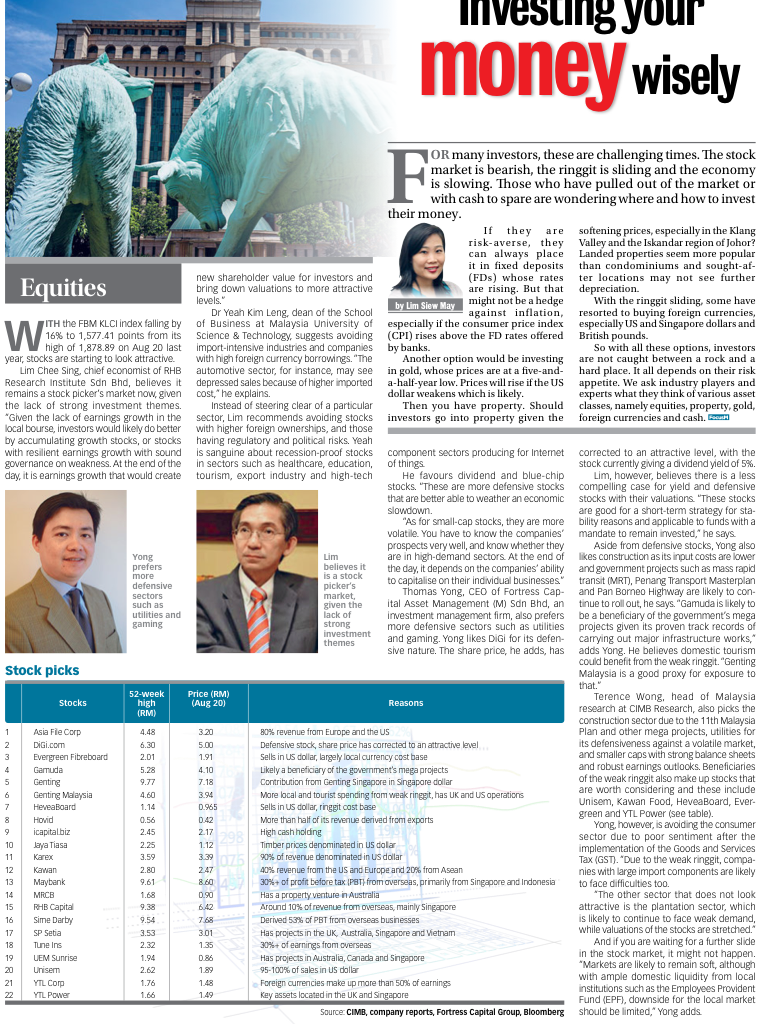
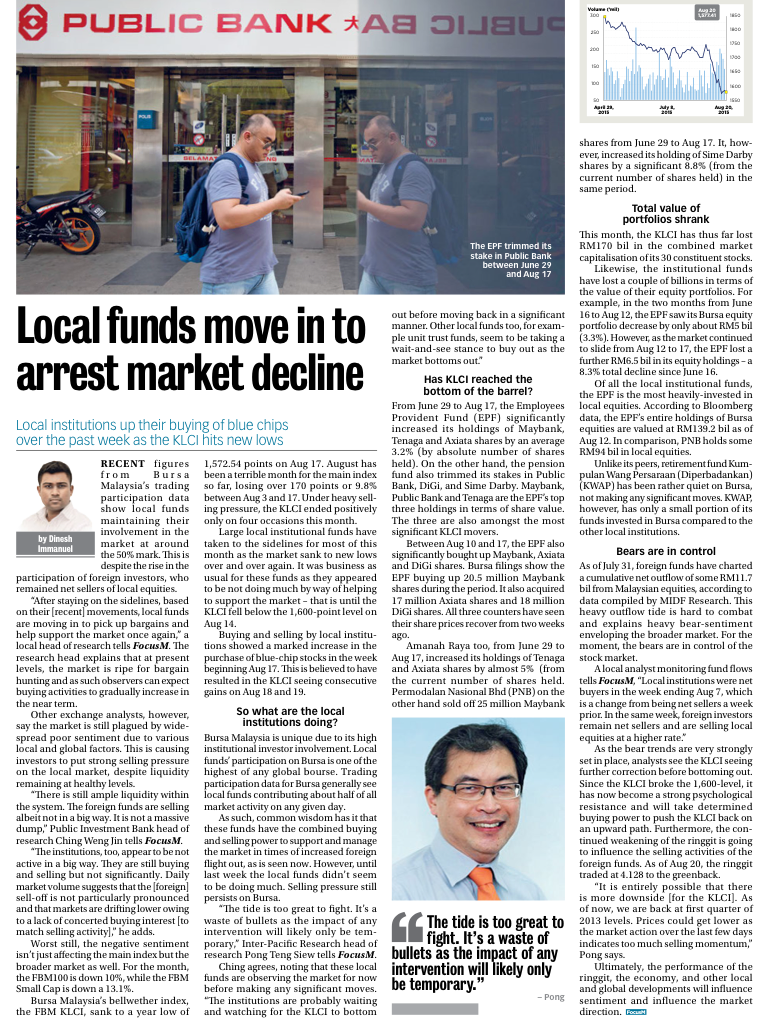
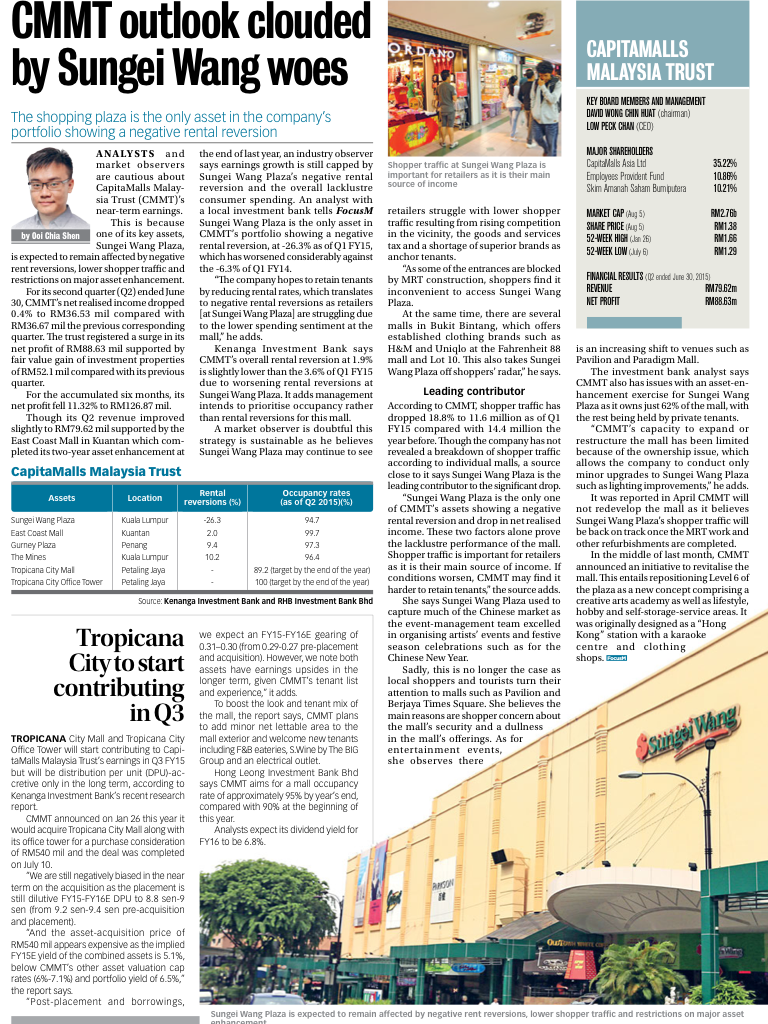
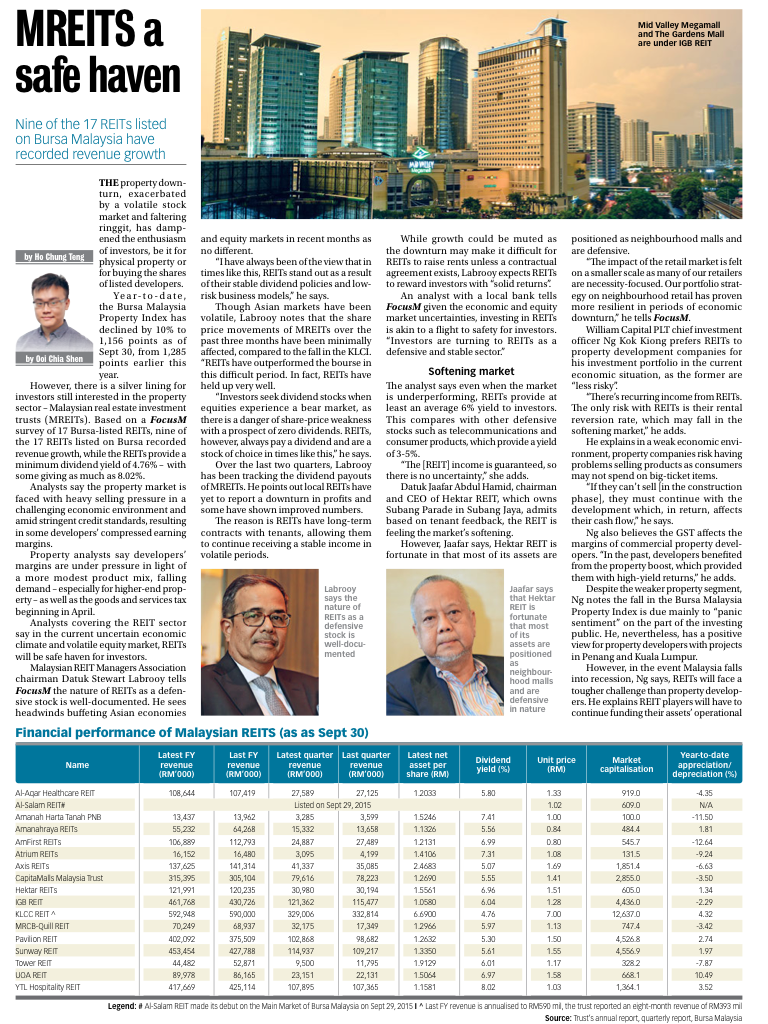
From Focus Malaysia Oct 2015
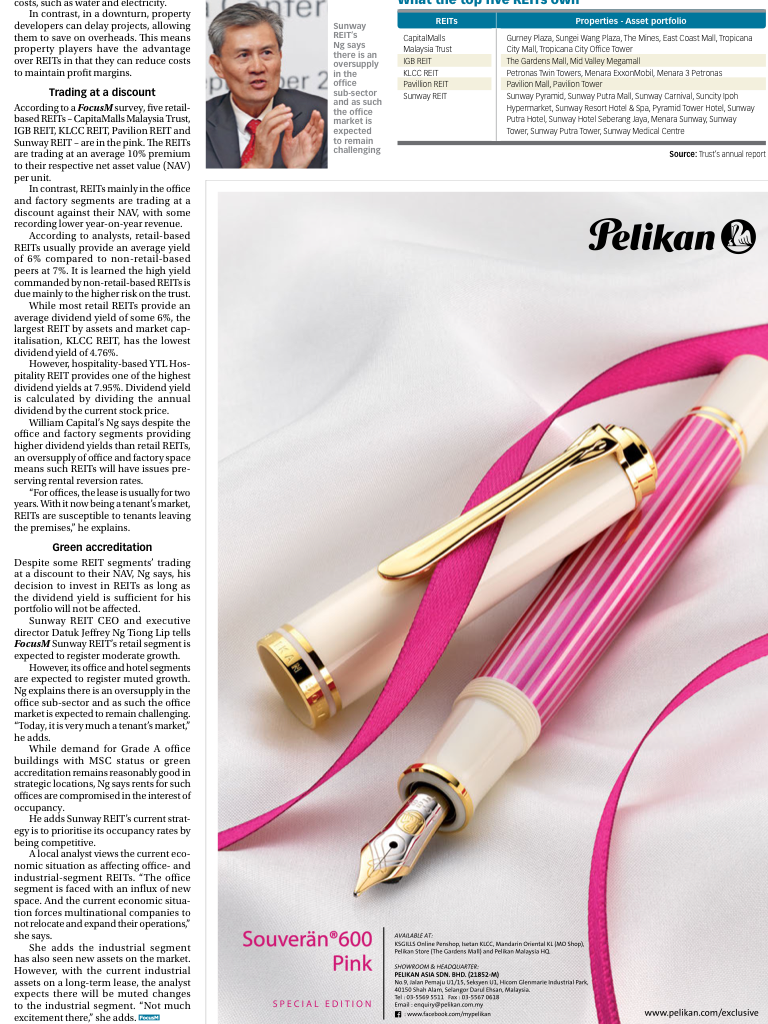
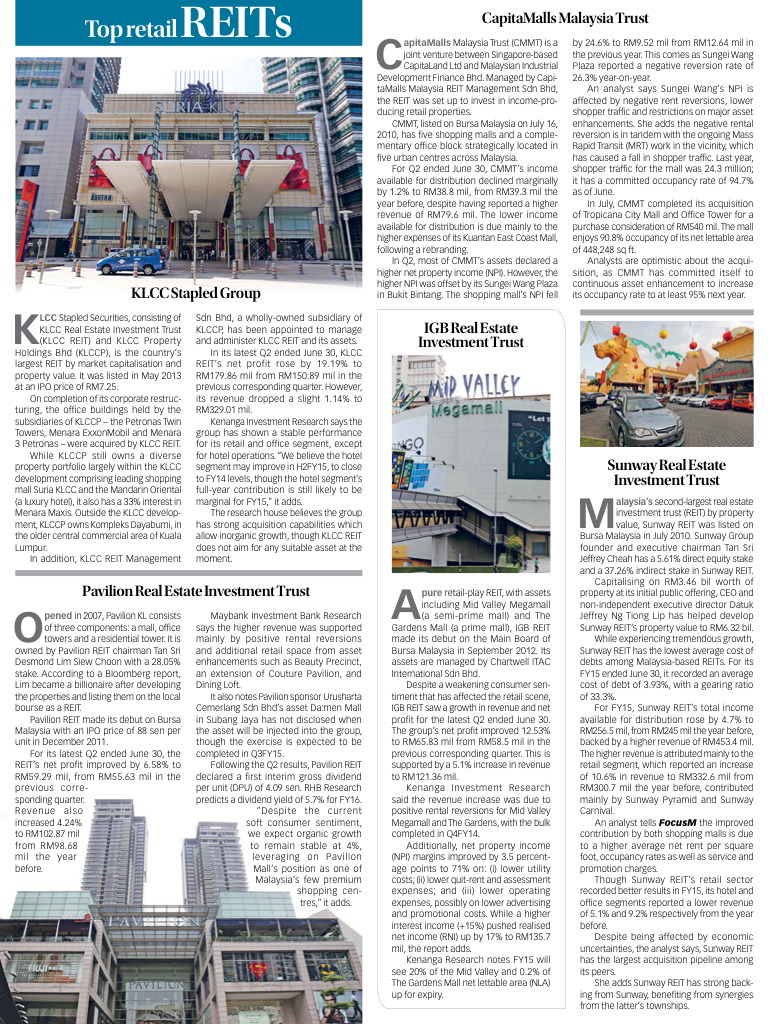
See the attached PDF for AmFirst REIT acquiring Mydin Mall in Penang. This may potentially boost up his DPU going forward.
Another one is unofficial news on Amanah Raya REIT. Not so good one as it relates to 1MBD fiasco. One of the reason I never had ARREIT in my portfolio even though the yield is good.
http://www.freemalaysiatoday.com/category/nation/2015/06/10/amanah-raya-chiefs-kicked-out-over-1mdb/
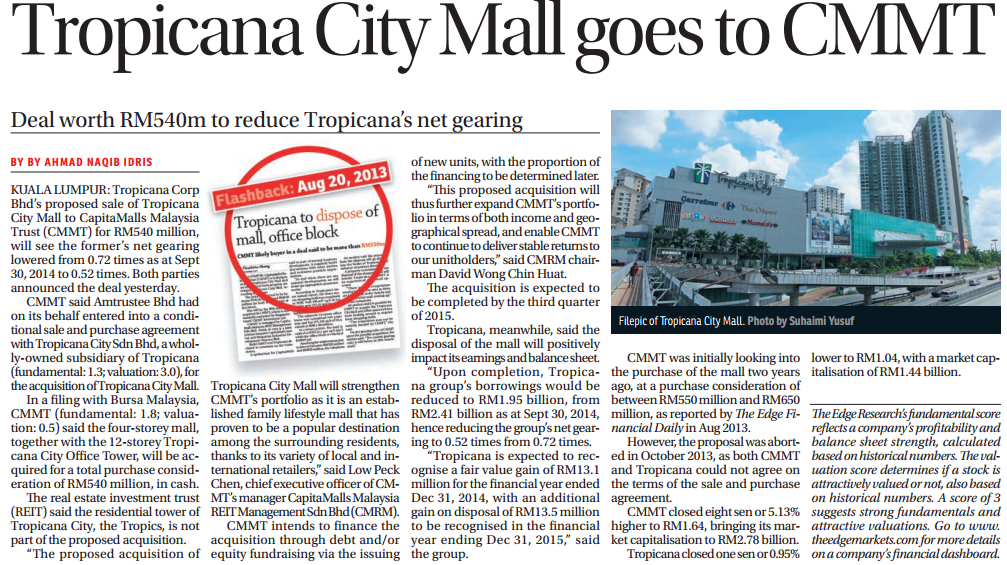
Click to view Full Size High Resolution version of the article
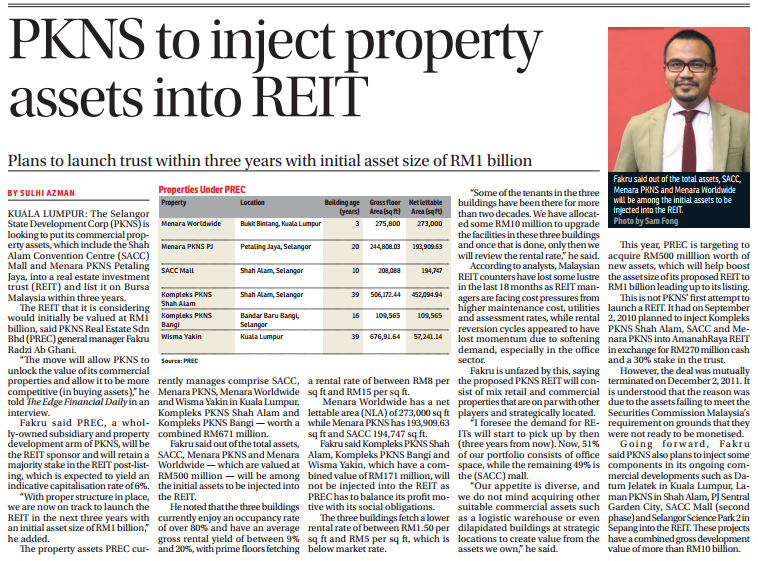
Click to view Full Size High Resolution version of the article
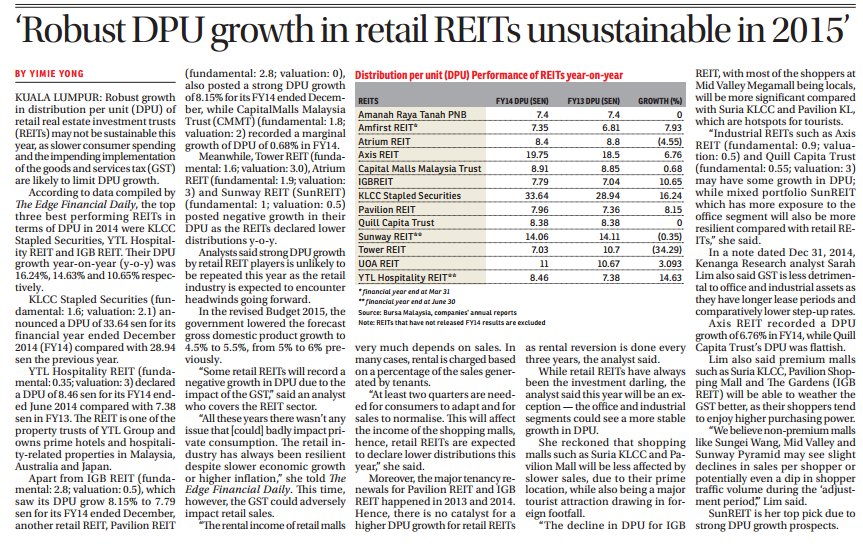
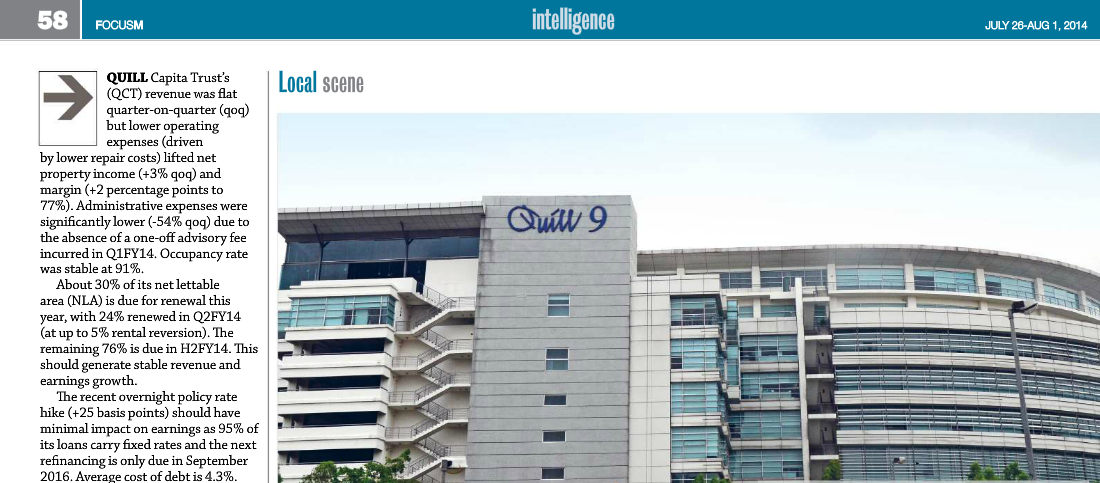
Click to view Full Size High Resolution version of the article
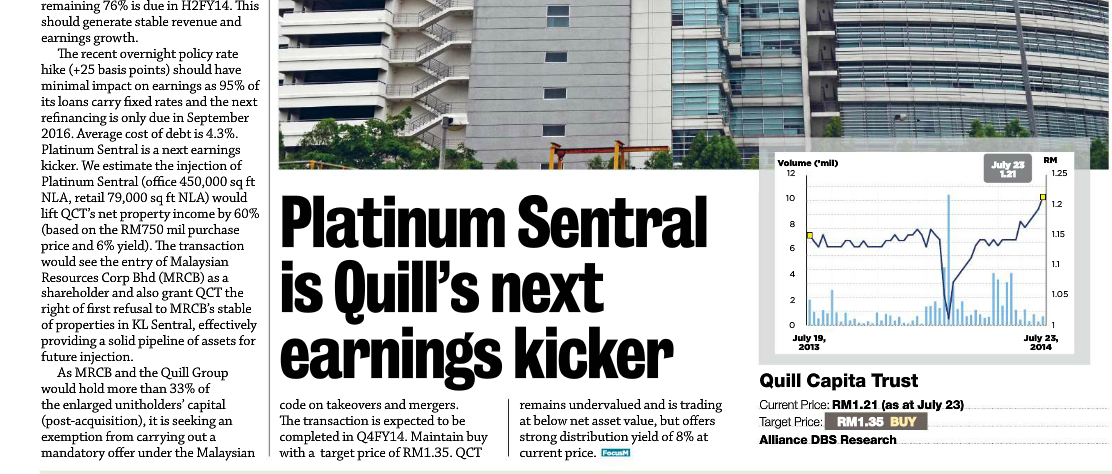
Click to view Full Size High Resolution version of the article
CLICK HERE to download the REIT Tracking Sheet
If the Manager acquire a property, how do we know it is beneficial to investors, based on public information available? I’ll show you how here.
Another example would be KIP REIT asset acquisition in 2019
REITs, unlike normal stocks listed on the market are able to pay out their dividend cash flow distributions from their free cash flow.
In fact, REITs are able to pay out higher than net income as they do not have to pay corporate taxes.
And because of this (pay out almost all their cash flow as dividends), they retained very little cash flow to carry out initiatives to grow, such as the purchase of new property assets.
The only options is for REITs need to tap the capital markets.
And that means equity or debt financing, but commonly, a hybrid of both.
For equity financing, there are 2 options – private placement or public placement.
The private placement route is much quicker way of raising capital and the discounts given tend to be small (3-5%) as compared to rights issues where the discounts can be as high as 20% and is highly dilutive.
Practically, rights issue can take up to 6-12 months and the pricing is subject to market forces in that period. A private placement can be completed in 2-3 months with tight pricing.
The lesson below explains more.
Here’s an example
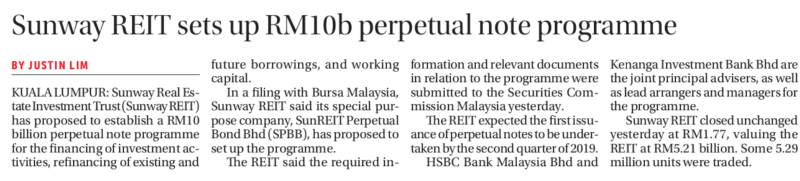
To further understand more on Private Placement vs Public Placement for Capital Raising using Equity, watch the lesson below:
The thought of selling a REIT might run through your head.
Today, we are going to explore my framework how I decide whether to sell my REITs.
And the 3 most important criteria to consider during the review your REIT
1) Competency and Integrity of the Managers of the REIT
2) Jobs, Business and Economy
3) Valuation of the REIT
And finally, here are the only 2 Good Reasons you want to sell your REIT holdings (and it’s not because
See a snapshot of such SWITCH-SELL-THEN-BUY transaction :

Then consume the lesson below for clarity
The primary thing to take note to detect ‘abnormal’ operations by the REIT manager is to check if there is any artificial income boosting involved.
As you already know, rental income is the life line of any REIT. So it is abnormal when rental income is fakely pumped so that investors get high DPU temporarily. This ‘fake’ rental pump is normally not supported by real rental rate or market demand.
Fake rental pump can be either comes from capital (usually from divestment aka sale proceeds of a property) or GRR aka Guaranteed Rental Rate by the property seller (where REIT is the buyer).
However, there is no absolute good or bad in this – study the lecture below and you’ll understand better that in some instances, it is a common practice and isn’t really a red flag.
Real examples in 2020
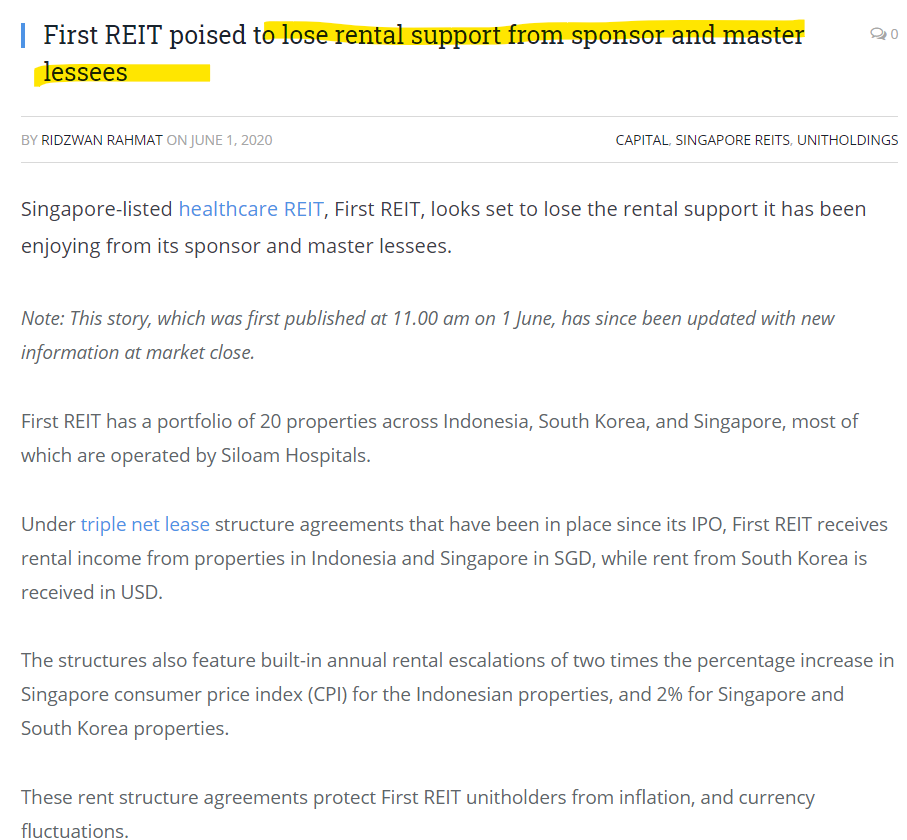
REIT is one of the asset class which really feels the impact of changing interest.
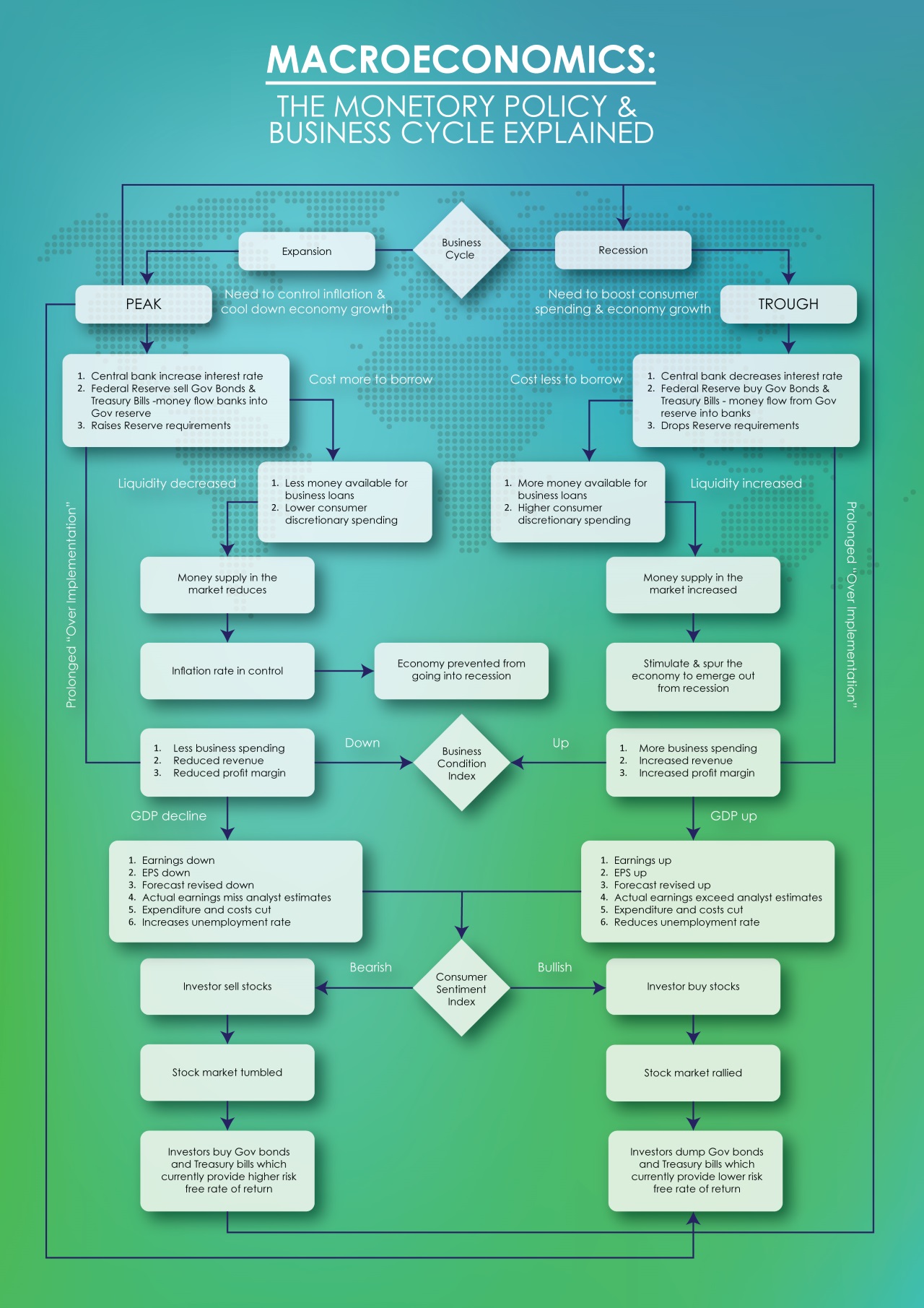
It could be good, and it could be bad. Like a two-edges sword.
Here is how to determine what interest rate environment is beneficial to a REIT’s profitability, and what isn’t.
eCommerce not only affects retail REITs…
…it also changes how industrial REITs evolve going forward.
The sky’s the limit.
Understanding this will make you leaps and bounds ahead of most retail investors out there.
If you need to download the tracking sheet template itself, please upgrade your membership level HERE
A REIT portfolio is probably the best tool in the world to generate cash-flow focused investment return passively to replace your expenses need, besides fixed/cash deposit.
But what if you don’t need to use the cash flow from REIT dividends immediately to cover for your expenses need?
What if you were to reinvest all the annual dividends received, into your original REIT portfolio, the following year?
How do we draft, visualize, project and track the entire portfolio progression?
This lesson will shed light on that.
After you’ve been investing in REITs long enough, you will start to feel this way:
“How come the price of the REIT I intend to buy never drop to a level where I can get at least 6% yield?”
“Am I doing anything wrong?”
This module will reveal and clarify everything for you, so make sure you commit your time to really understand it