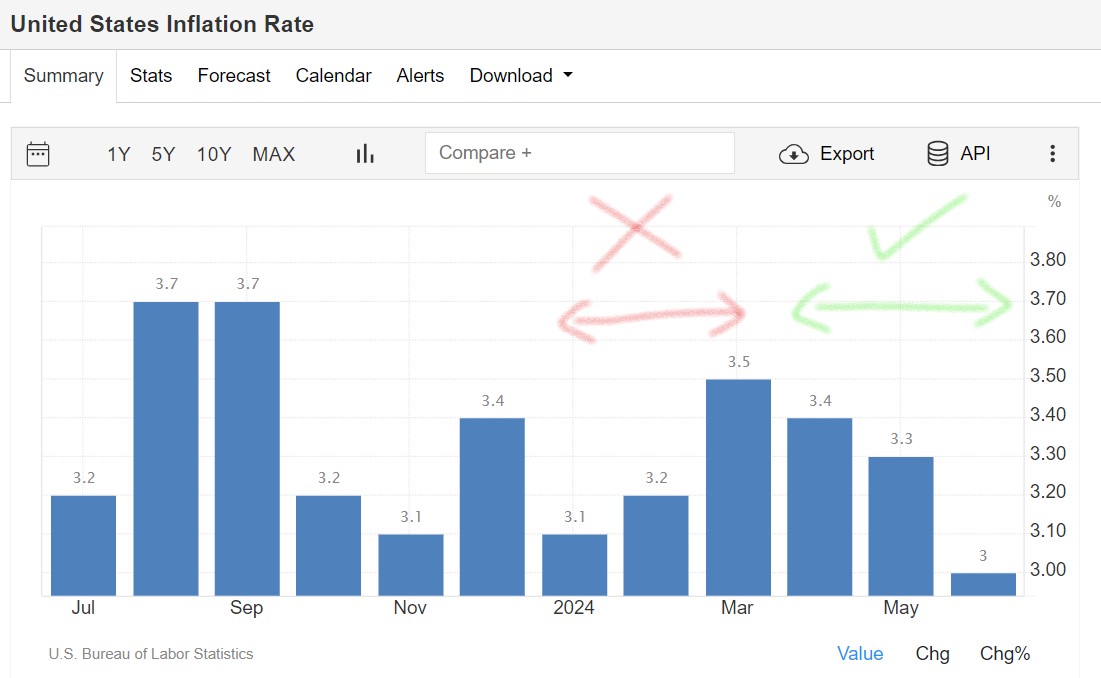
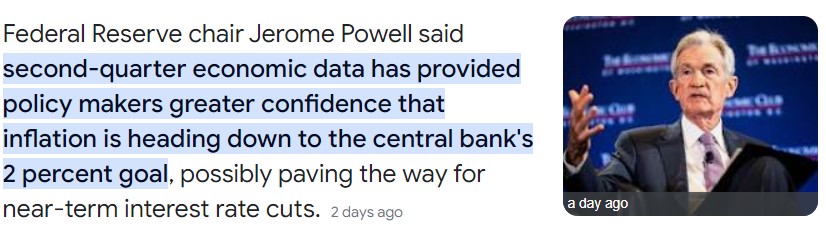
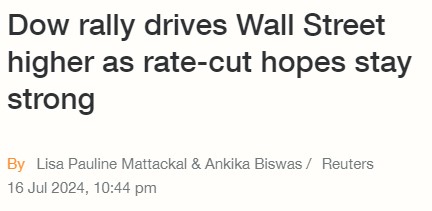
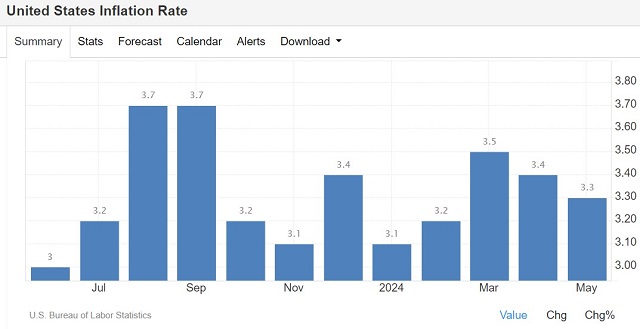
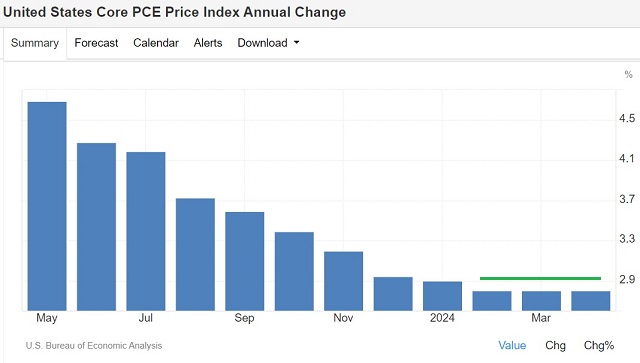
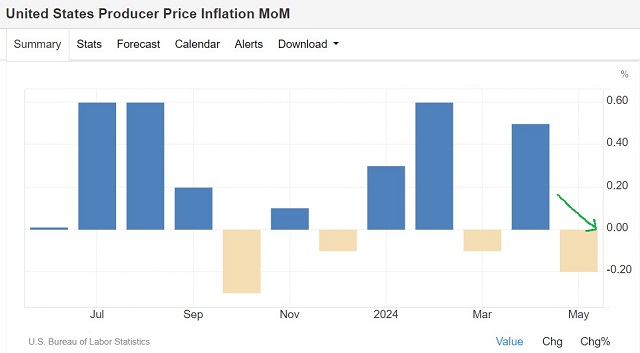
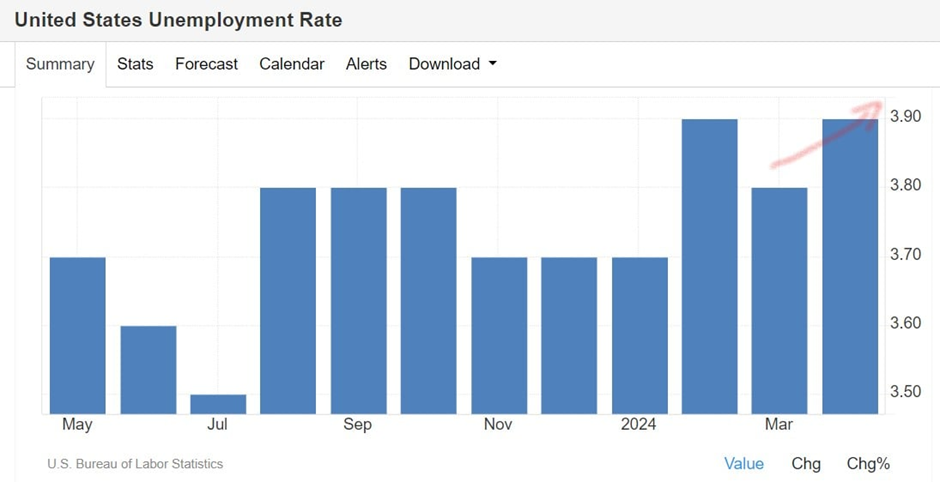
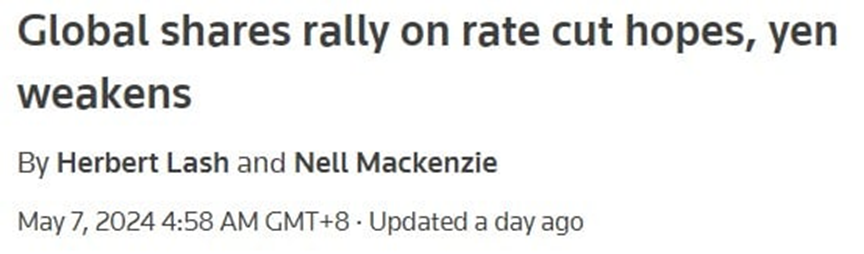
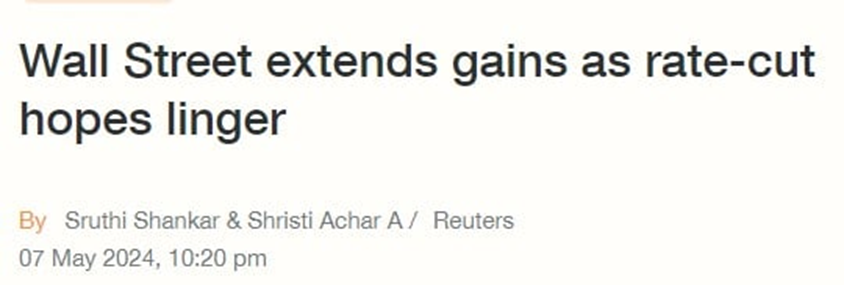
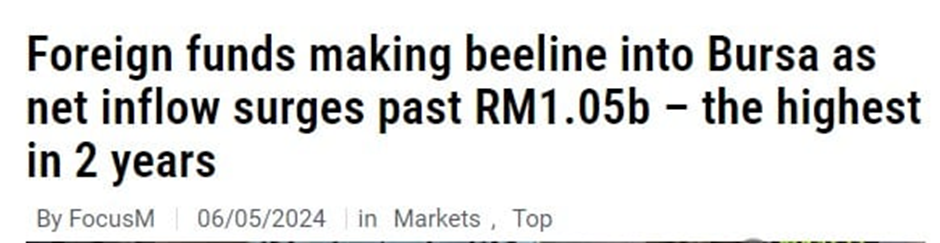
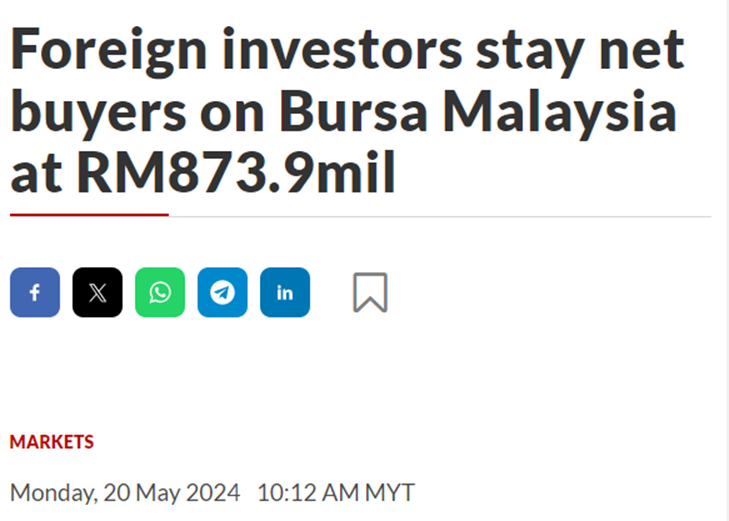
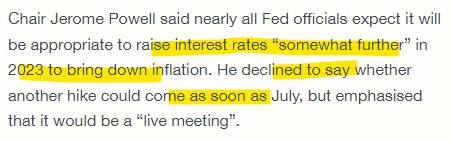
After the recent, surprisingly improved inflation data released in mid-July, it solidified expectations for a near-term rate cut by the Federal Reserve.
Why It Matters
Lower rates are beneficial to business segments in many corners of the market whose performance has lagged this year, including small-caps, real estate that have suffered under higher rates as Big Tech & Megacap prices soared.
Small-cap companies and REITs tend to be more sensitive to interest rates because smaller-cap companies need capital to survive in many instances. Persistently high-interest rate is a huge challenge for them.
Expects the rotation from large tech stocks to small-cap and value companies to continue, although, it’s going to be difficult for these stocks to drop significantly as long as the AI thesis is dominating the market.
However, any decline Megacaps could spell trouble due to their heavy weightings in S&P500, where year-to-date gains have been concentrated in stocks like Nvidia and Microsoft.
Defined: Megacap stocks = are stocks with a capitalization or market value over $200 billion (Apple, Amazon, Microsoft, Google, Meta, Tesla, Nvidia)
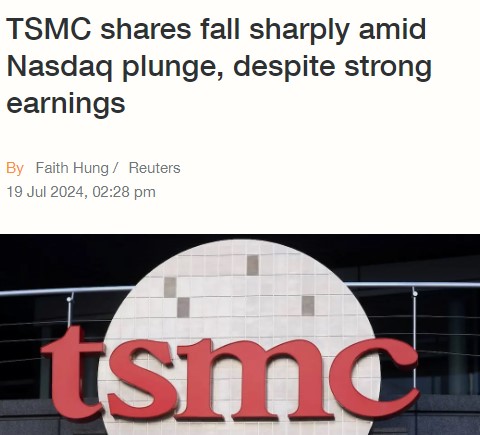
At the same time, some profit takings are happening
Pressure from Lawmakers
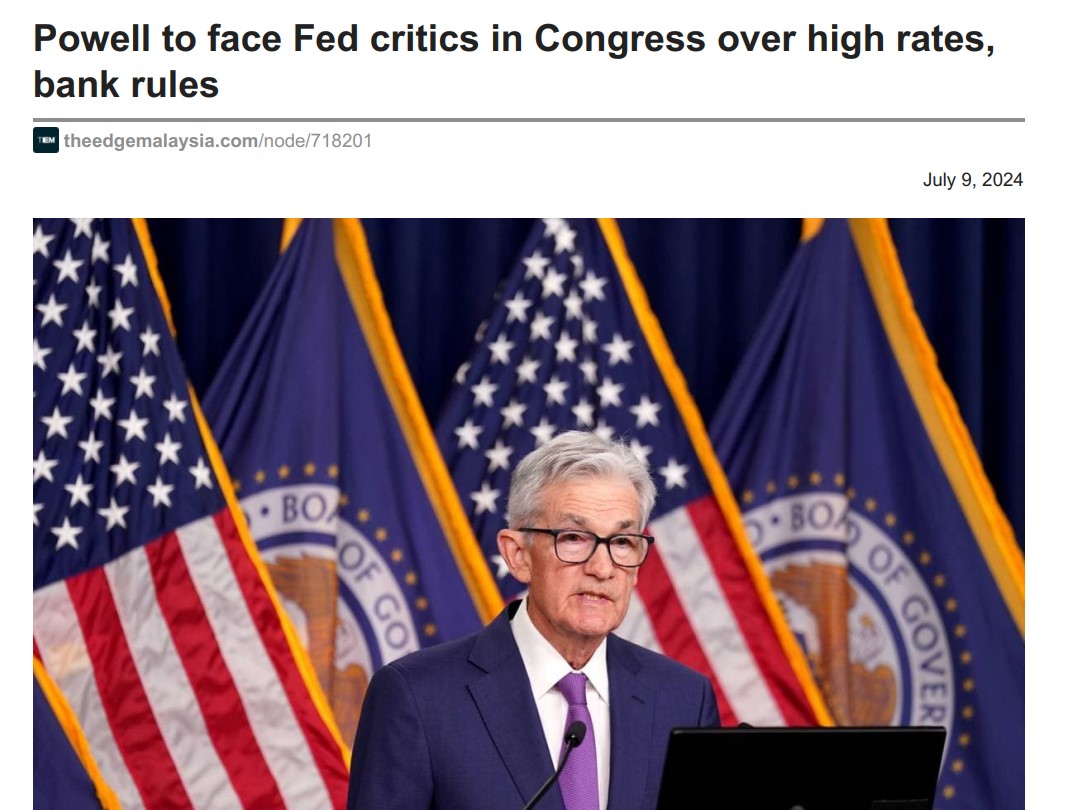
Even Fed chairman is facing pressure from lawmakers growing impatient to cut interest rates
…but Fed officials signalled they’ll hold rates at 20 years high as they wait for more evidence inflation is headed down sustainably to their 2% target, declining to confirm when rate cuts might begin
Economists all over are convinced the Fed would be able to maneuver a soft-landing scenario for the US economy and avoid a recession.
Defined: Central banks’s Dual Mandate
By adjusting interest rates, it stabilizes prices of all goods & services that enable people to make longer-term economic decisions necessary for stable economic growth. This leads to improved employment opportunities.
It does this by controlling the money supply, in example – raising or lowering interest rates when the economy is slowing down or growing too fast.
Maintaining the dual mandate is possible, in theory. But some critics suggest the two ideas clash, saying that maintaining maximum employment may be difficult while keeping prices low
Political & Economic Factors in 2H 2024
Political risk is highly uncertain and difficult to hedge.
A Trump presidency would presumably result in a more hawkish trade policy, an extension of tax cuts and looser regulatory environment in a host of areas ranging from climate change to crypt0.
The assassination attempt against former president Donald Trump (a black swan event on itself) did NOT pose any negative impact on the market,
Of course, rate cuts are not always a signal of smooth sailing ahead, and have often come when the Fed is forced to ease monetary policy rapidly due to a deteriorating economy.
Historically, the S&P 500 declined right after the first cut of a cycle, so we are cognizant of this when it comes to equity allocations.
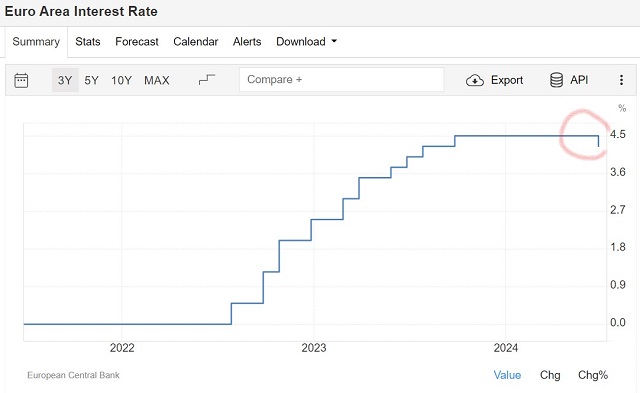
Interest Rate Cut Cycle started, but not in the US.
Instead, the European Central Bank (ECB) which represented 20 countries, proceeded with its 0.25% interest rate cut in the 1st week of June, the first since 2019, citing progress in tackling inflation even as it acknowledged the fight was far from over.
ECB gave no further expectation though in terms of timeline or % of cut going forward.
With this, ECB joins the central banks of Canada, Sweden and Switzerland in undoing some of the steepest streaks of interest rate hikes in recent history.
Note: As long as US interest rate stays high (yet to kickstart rate cut), any other countries cutting rate will have their local currencies stay weak that comes together with higher imported inflation.
Incidentally, latest Corporate US quarterly earnings season is a positive one, where profits for most, exceeded forecast.
A common theme in the recent earnings season was an increase in buybacks and dividends from technology companies – a positive signal that can drive the next leg of the stock market rally.
Examples: Apple announced the biggest US buyback ever, while Alphabet declared its first-ever dividend and said it will repurchase an additional US$70bil in stock.
And Meta revealed plans for another US$50bil in share buybacks
Why It Matters
Stock valuations are a bit expensive, but due to optimistic expectations of even stronger earnings growth in the coming quarters.
Fundamentally, earnings from Big Tech companies continue to lead profit growth in the S&P 500 on strong margins, which helped refuel optimism for stock markets globally.
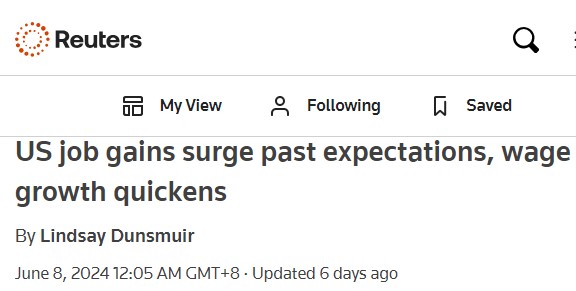
The latest job report showed more jobs are created in the economy than forecasted. Also, yearly salary growth re-accelerated, indicating a strong jobs market.
Explained in layman: Strong jobs market is positive for the economy and for corporate earnings but is negative in terms of convincing central banks (Fed) to proceed with interest rate cut in 2H 2024.
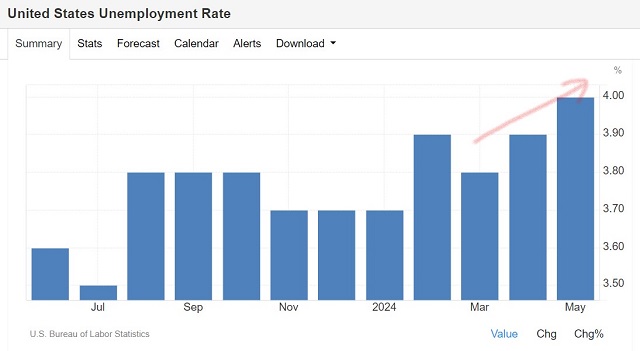
At the same time, unemployment rate slightly up to 4.0% from 3.9%.
At the same time, a higher unemployment is a convincing sign economy getting weaker, and therefore triggering Fed to cut interest rate in 2H 2024.
Lagging indicator of inflation, Consumer Price Index (CPI) came in softer than expected, a genuine pleasant surprise.
Core PCE inflation stays flat for the past 3 months.
Producer price index (PPI), leading indicator of inflation, unexpectedly fell 0.2% month-on-month in May, versus a 0.1% forecasted increase.
Conflicting Economic Data but….
Despite the above, this somewhat points to the soft-landing central banks envisioned (and what I informed you in 2023 to expect in 2024).
One thing for certain though – the fact that you have all these two diverging stats, contradicting each other, makes it hard for investors and even harder for central bankers to understand exactly what’s going on.
The other thing that changed, is that central bank now projected it only need to cut interest rate 1 time in 2024, instead of 3 times earlier.
So far, financial markets continue to digest central banks “restrictive” monetary policy relatively well.
As long as Big Tech & AI-related companies continue to deliver on their profit outlooks, that bodes well for the financial markets.
This, in turn, sustains market upward momentum. Then, stocks in other regions outside of US and in other sectors outside of technology will likely rise further.
The geopolitical uncertainty that occurred in France & India in the past 30 days, and the ongoing Gaza crisis, were largely ignored by investors (little to no impact to investment markets)
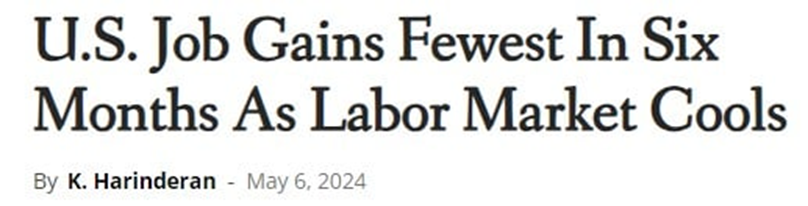
The US Labor Department’s closely watched employment report recently showed the unemployment rate rising to 3.9% from 3.8% amid rising labor supply.
Believe it or not – this piece of economic news has been ‘just right’, aka a sweet spot for US central bank, the Fed.
Why?
It is showing signs the labor market is weakening, necessary in reversing inflation downwards to its last mile target.
At the same time, not too drastically worse that raises red flags of an impending economic trouble.
In fact, these are the signs of underlying strength in the economy that should enable earnings growth, fostering an environment where stock prices can continue to advance instead of crashing.
At the same time, the economy is NOT running so hot as to once again force the Fed to revert to hiking interest rates.
That, coupled with a much better-than-expected Q1 2024 earnings season and hopes of US monetary policy easing have drawn more buyers than sellers back into the market
This somewhat stabilized global markets after its turbulence episodes in April
That spilled over to other markets as well, including Malaysia
Caveat
Be reminded, though, that as of now, it is still a far cry from the kind of labor market weakness that would prompt the Fed to cut interest rates before Sept 2024.
The Fed remains in wait-and-see mode BUT not abandoning intention of interest rate cuts altogether.
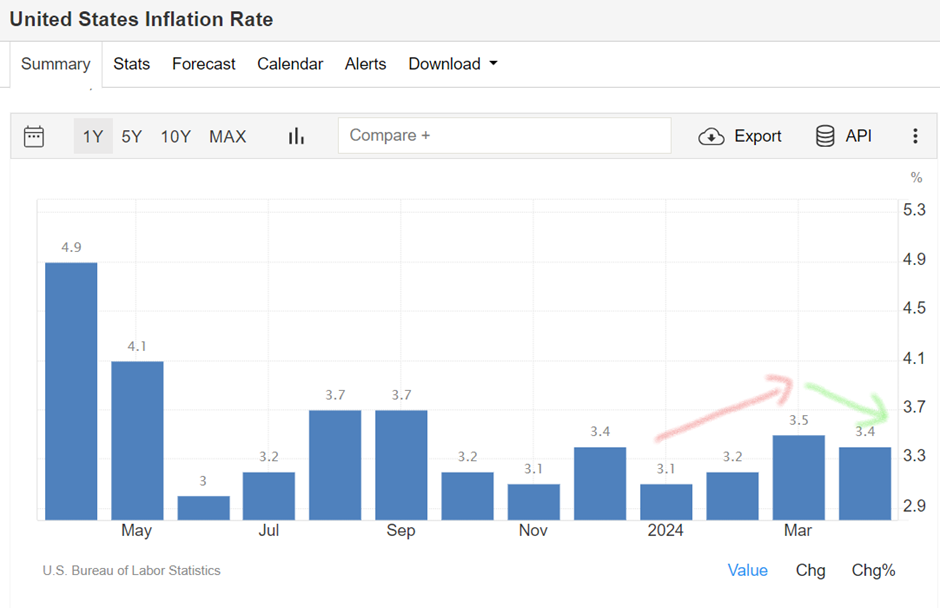
Following worse-than-hoped inflation data in Jan-Feb-Mar 2024, Powell said that it would likely take “longer than expected” to become confident inflation is moving toward the central bank’s 2% target. Latest inflation in April 2024 though, is down from Mar 2024.
Honestly, it’s NOT terrible but it’s not Great either. I’ll give it 3.5 out of 5 stars rating
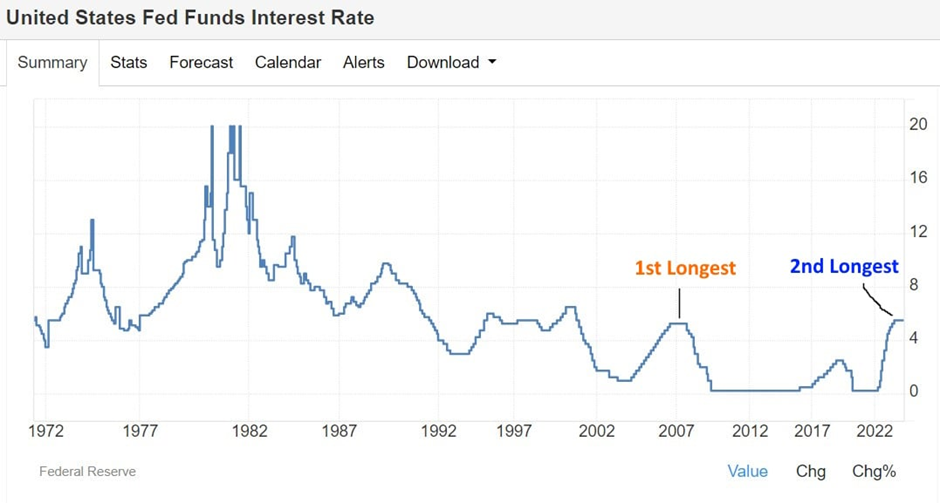
FYI, the length of the current interest rate pause reached over 280 days —the second-longest on record
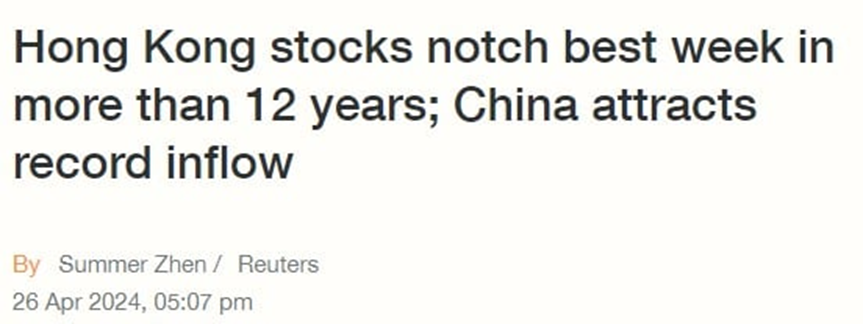
Incidentally, a long-awaited recovery in China’s economy is also gaining momentum, with growth in new orders accelerated and business sentiment improved.
US Central Bank (Federal Reserve) kept interest rate unchanged in their recent 20 Mar FOMC meeting. Moreover:
Inflation Projections: Revised upwards from 2.4% to 2.6%. Meaning: Inflation is higher than previously anticipated.
Unemployment Projections: Revised 2024 expectations downward from 4.1% to 4.0% Meaning: Stronger labor market than previously anticipated.
GDP Projections: revised 2024 GDP projections upwards from 1.4% to 2.1% for this year. Meaning: The economy expected to perform better than previously anticipated.
Why this Matters
Interest Rate Cut Expectations: Currently at 5.5%. Like earlier expectations – 3 cuts by end 2024, down to 4.6% by end 2024. Then, 3.9% at the end of 2025, and 3.1% at the end of 2026
From an economic standpoint, the Federal Reserve’s projection of interest rate cuts may not make complete sense.
Typically, interest rate cuts are implemented when the economy is weak, and inflation is low. However, the current projections suggest a strong economy and the expectation of higher inflation. This seems contradictory.
How do you reconcile this? I’ll tell you how.
The Federal Reserve is supposed to be neutral, just independent, but that’s questionable.
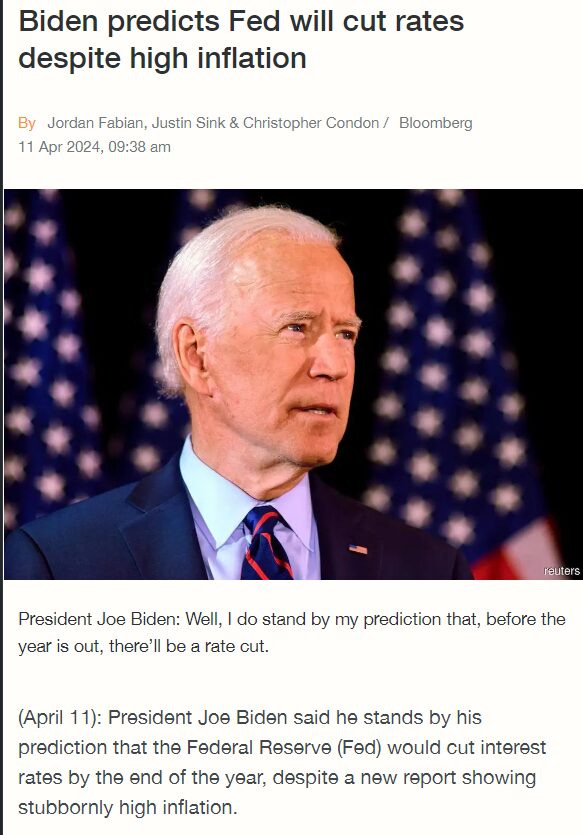
Especially when the President himself said something out of the ordinary, like this, in the public.
This is like your boss ‘suggesting’ you do something. But in reality, that ‘suggestion’ should be treated as ‘an order you can’t say No to’.
By tradition, the White House typically does not comment on Fed decisions and the president has previously pledged to respect the bank’s independence.
Nonetheless, the Federal Reserve is indeed caught between a rock and a hard place from a political standpoint, the Federal Reserve is in a difficult position. The upcoming elections, including those for the presidency, House, and Senate, add a layer of complexity.
If they start cutting interest rates prematurely, then it could reverse the progress that they’ve been seeing on inflation and ultimately require an even tighter policy to get inflation back to 2%, which is also unfavorable during an election year.
But if they start cutting interest rates too late, then it could cause rapid economic deterioration, which would reflect poorly on the government during election season. Plus, the need for these cuts is attributed to challenges faced by sectors like commercial real estate and the banking industry.
In other words, damned if they do, damned if they don’t.
What is Next?
Nonetheless, we believe they’re going to force an interest rate cut to happen, even though it doesn’t even align with their own narrative.
GDP is strong, the labor market is strong, Inflation reports, they’re coming in hotter than expected. They said they will be data-dependent, these are all reasons not to cut interest rates, but they still plan to move forward with interest rate cuts
Evidently, the expectation of interest rate cuts almost always elevates optimism among investors, adding more ‘juice’ to the broad markets and making it easier for everyone to buy houses, cars or even service their debts.
What is Happening at the Same Time
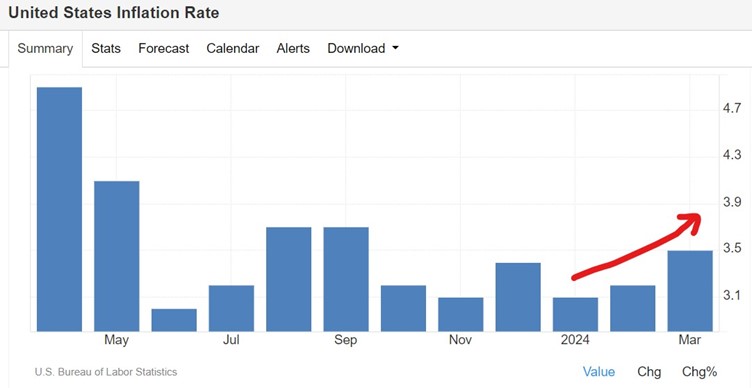
1st: The latest inflation data released in April, though, poured cold water on this where it revealed a 3rd consecutive month of higher-than-expected inflation rate.
2nd: we’re now in the Q1 2024 earnings season. In any particular week, depending on which public-listed companies are reporting, the market will sway up or down.
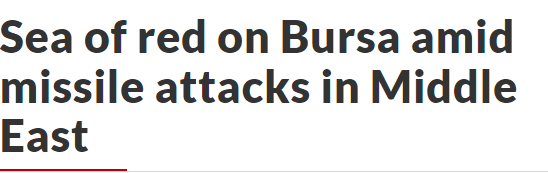
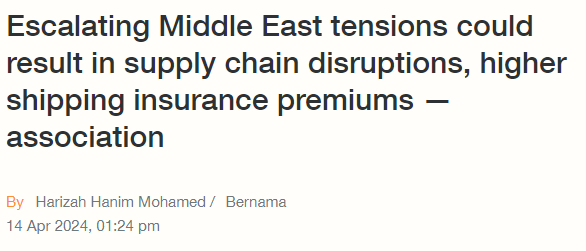
3rd: re-emergence of tensions in the Middle East conflict Iran’s attack on Israel will be weighing on investors’ sentiments, decisions whether to buy or to sell. [imgs below]
4th: you’ve got investors trying to evaluate the apparent re-acceleration of inflation. This is especially after Fed chair Jerome Powell recently (16/4) said it will likely take the central bank longer than expected to become confident that inflation is falling, due to a run of disappointing inflation data.
In summary: Buying Low is NOT Always Possible, but Buying at Low Valuations Isn’t
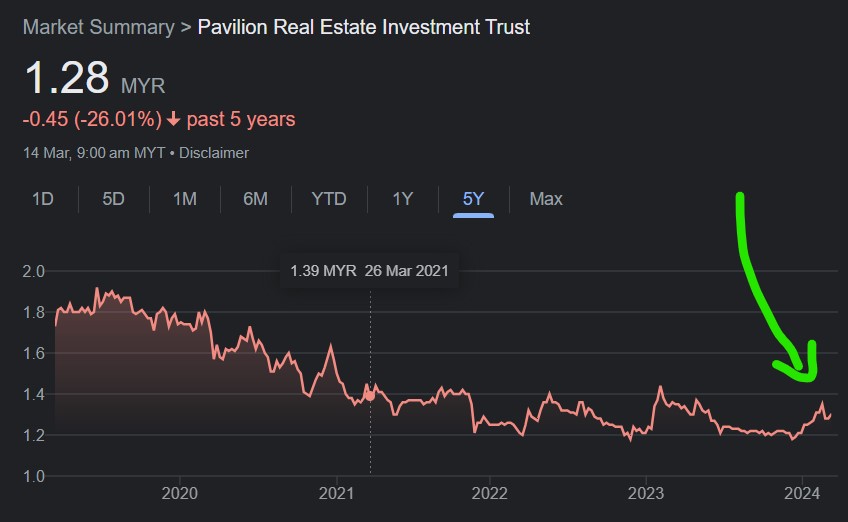
Pavilion REIT has dropped to 5 years low at RM 1.2x per share.
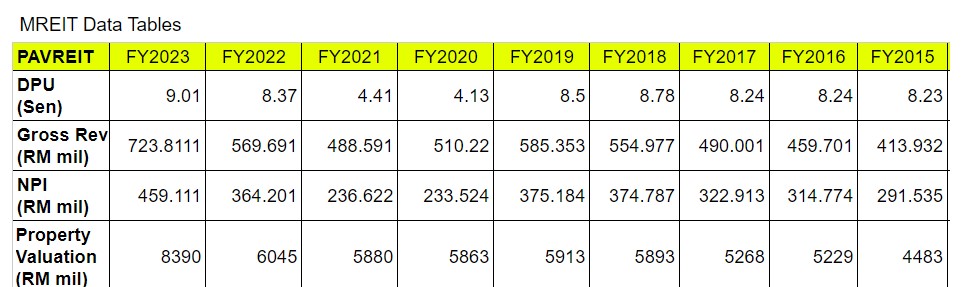
At the same time, its DPU has recovered from pandemic lows. DPU is at all-time high since listing.
Assuming the dividend continues to sustain at 9 cent per unit, the gross yield now has touched 7%. This is likely going forward after its acquisition of Pavilion Bukit Jalil in 2022 and since then has accrued a full year of rental.
“For Pavilion REIT, we foresee resilient earnings, mainly underpinned by its prime asset portfolio anchored by Pavilion Kuala Lumpur and Elite Pavilion Mall, which are tourist hotspots that will benefit from the return of international tourists, while a further increase in earnings is expected from Pavilion Bukit Jalil in 2024F. We believe PBJ is positioned for a positive rental reversion in the year, supported by improving footfall traffic and occupancy rates,”Source: The Edge
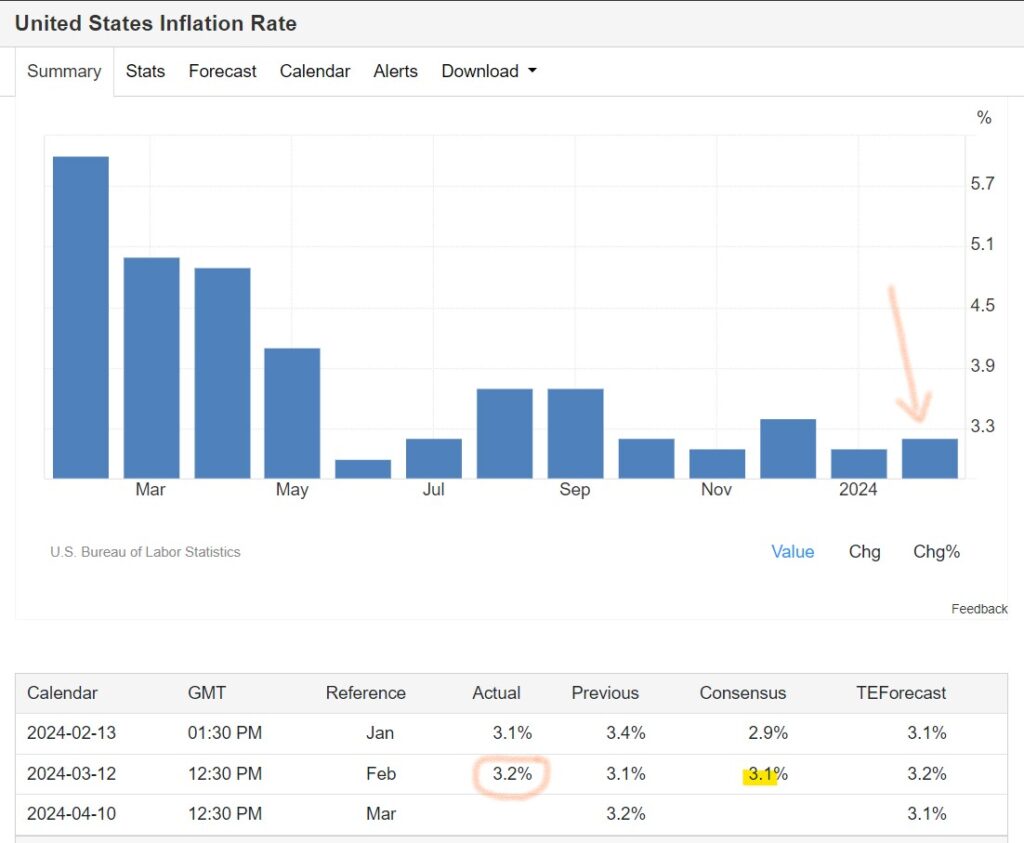
The recently released US CPI inflation report shows that inflation is rising faster than expected. This has important implications for the Federal Reserve and its decisions on interest rates. Let’s understand what this means for the economy and for you.
1. Inflation is Accelerating
In January, headline inflation stood at 3.1%. However, in February, it rose to 3.2%. While this may not seem like a significant increase, it’s crucial to note that the Federal Reserve has been aiming to bring down inflation to 2%. Unfortunately, it seems like we are moving in the wrong direction. Progress is not being made as expected.
2. Core Inflation is a Concern
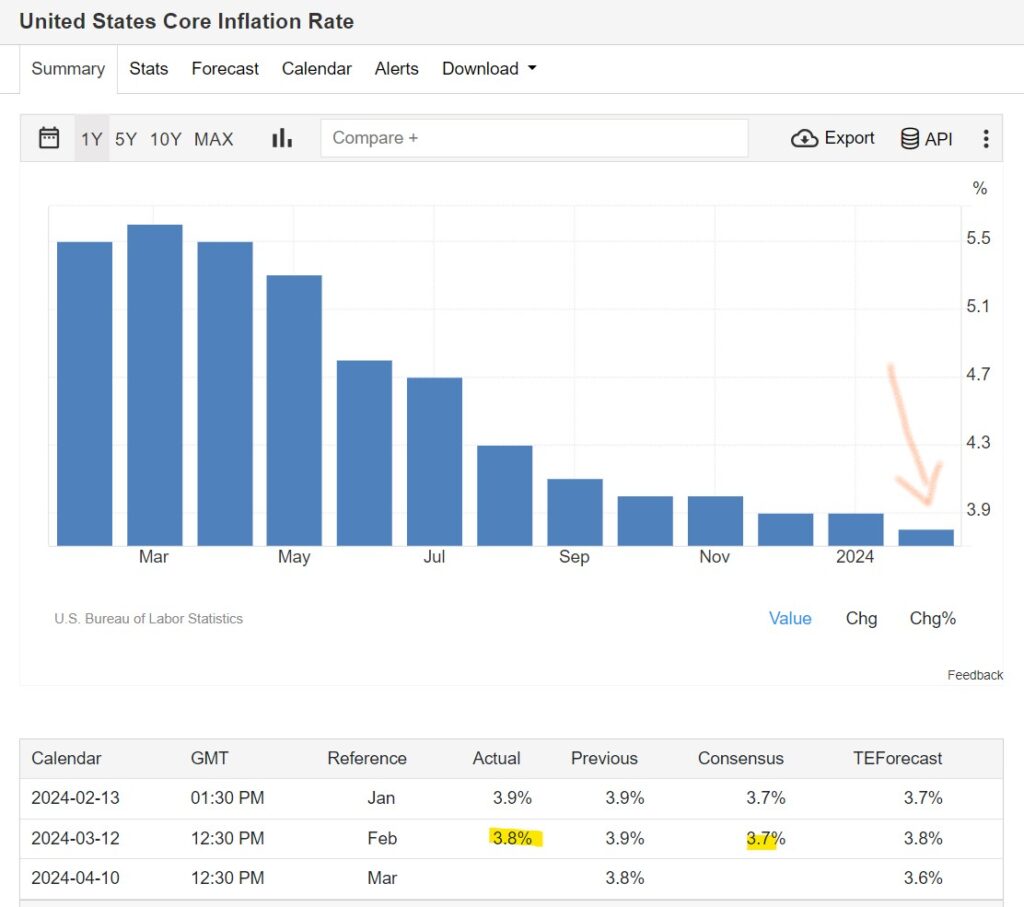
Core inflation, which excludes volatile food and energy prices, came in at 3.8%. While this is a slight improvement from the previous month’s 3.9%, it is still far from the desired 2% target. The gap between current inflation rates and the target rate is quite significant.
3. Interest Rate Cuts Expected
The Federal Reserve is expected to cut interest rates three times this year. It is highly unlikely that the cuts will occur at the next meeting on March 20th as I highlighted back in Jan 2024.
4. May and June Meetings
The odds of an interest rate cut in May have decreased significantly. From a 99% chance a couple of months ago, it has now dropped to 17%. The next FOMC meeting after that is scheduled for June 12th, and there is a 67% chance of rate cuts happening at that time. While nothing is set in stone, it is more likely than not that the cuts will begin in June.
FAQs
Q: Why does the Federal Reserve want to cut interest rates?
A: The Federal Reserve wants to cut interest rates to stimulate economic growth. However, in the current situation, this raises some questions. US economy is booming, with strong GDP growth and historically low unemployment rates. Some believe it’s an attempt to supercharge the economy leading up to the elections, but the timing seems off.
Q: What impact could not cutting interest rates have on the economy and financial markets?
A: If the Federal Reserve does not cut interest rates soon, it could result in a downturn in the economy and financial markets. This could have negative consequences leading up to the elections. However, cutting rates under the current economic conditions and inflation metrics is a difficult decision for the Federal Reserve to make.
CPI Inflation Reports
Now, let’s take a closer look at the CPI inflation reports, as they are the driving force behind the Federal Reserve’s decisions.
Headline Inflation Down
Headline inflation came down to 3.2%, moving closer to the 2% target rate. However, it’s important to note that energy prices, a significant component of headline inflation, have been on the rise. While they are currently down by 1.9% year-over-year, a closer look reveals that energy prices were down by 4.6% in January. This suggests that energy prices are actually on the rise.
Services Inflation Not Coming Down
Services inflation poses the biggest problem, standing at 5.2%. This figure has barely changed from the previous month’s 5.3%. The Federal Reserve is concerned about this high level of services inflation as it can contribute to overall inflation and wage inflation. It indicates that wages are rising too quickly, which could lead to further inflationary pressures.
Conclusion
With inflation metrics above target and a strong economy, the Federal Reserve faces a challenging decision. The upcoming months will shed light on how the Federal Reserve navigates this complex situation.
And finally, for investors who think stock market has risen too far, too fast and is approaching bubble territory, Bank of America said this:
The rally in US equities that began last year, as sharp as it has been, doesn’t reflect conditions seen in prior boom-and-bust cycles, such as big gaps between share prices and their values, or the significant use of leverage. Strong earnings and a resilient economy and sees more room for gains.
Data & analysis released so far that answers your questions below.
Are we positive 2024 is going to be better & safer than 2023 & 2022 for the stock market? ✔️Yes, refer to my Dec 2023 updates.
Are we positive there will be no more interest rate hikes in 2024? ✔️Yes
Are we positive the interest rate cut is going to start in 2024? ✔️Yes, but not before mid or 2H 2024.
Are we positive that governments themselves feel the pain of prolonged high-interest rates as they need to refinance their debts? ✔️Yes (also why REITs prices are down since Q3 2023)
Are we positive that a reasonably staggered interest rate cut would drive stock prices up steadily in 2-3 years? ✔️Yes, refer to my Nov 2023 updates.
Are we positive that macroeconomics and monetary policy are the key drivers still steering the stock market in 2024, more than company fundamentals? ✔️Yes
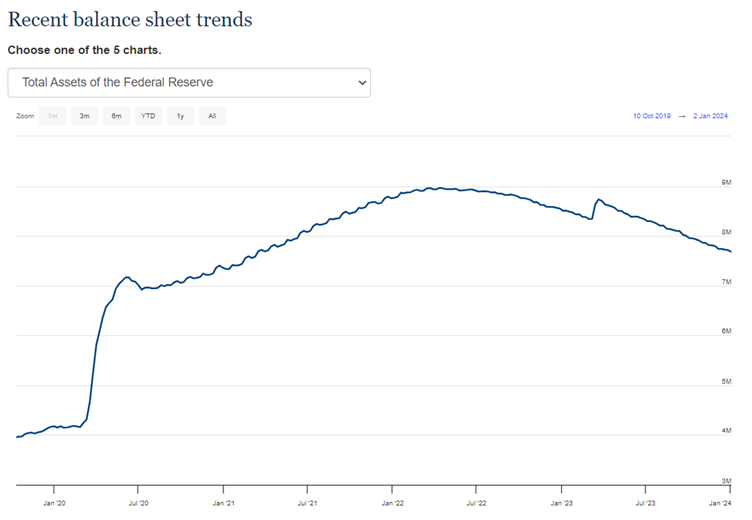
Are we positive of this sequence of events – once the Fed stops QT, and starts QE, coupled with interest rate cut, stock market will move up further? ✔️Yes, see Note #1 below
Are we positive that despite uncertainties, companies will fundamentally adapt, including doing share buybacks & layoffs, to not let their stock prices crash again like in 2022/2023? ✔️Yes, see Note #2 below
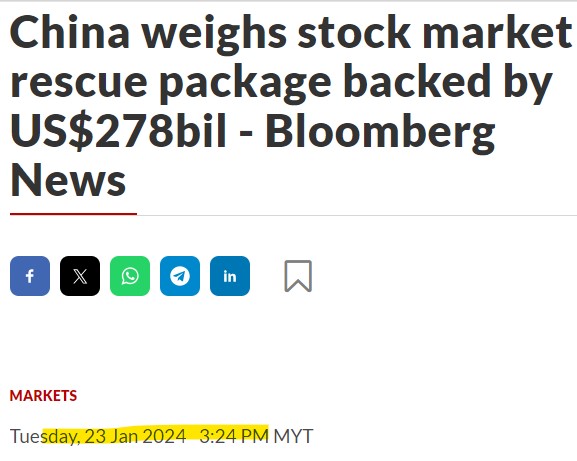
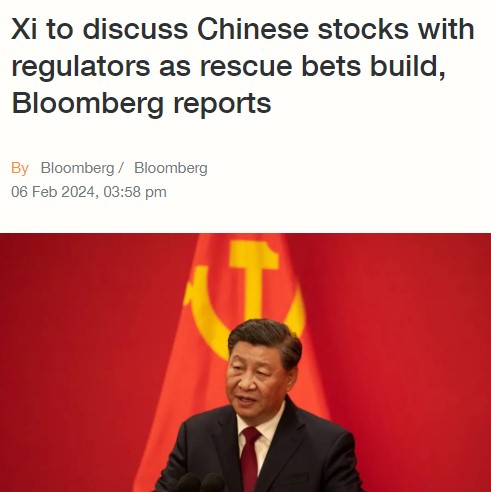
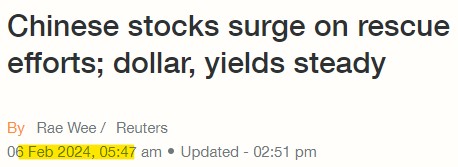
Are we positive that CCP is taking more definite actions this year to rescue China stock markets after it hit all-time-low since 2022? ✔️Yes, see Note #3 below
Are we positive that there is still room for equity market uptrend, taking US as a reference? ✔️Yes, see Note #4 below
Are we sure everything outlined above is going to happen like all the stars perfectly aligned in 2024? ❌No
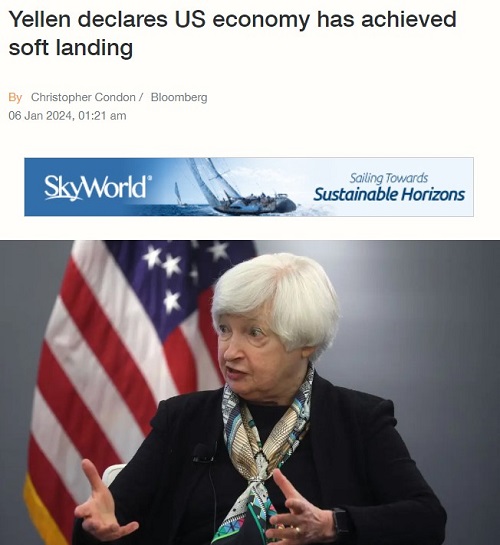
Even as US Treasury Sec declared economy has achieved ‘soft landing’, are we 100% sure there will be no recession this year? ❌No, see my Jan 2024 updates
Are we sure there will be no resurgence of inflation due to events like Houthi attacks at Red Sea? ❌No
Are we sure central banks won’t U-turn and keep interest rates high for longer or even continue hiking due to #13 ? ❌No
Are we sure no black swan events is going to occur going forward, crashing stock markets? ❌No
Note 1: The sequence of events at US central bank throughout 2023 happened as per my Jan 2023 update. Record from 1 year ago: https://privateaccess.askcf.com/2023/cujan23/
Companies are also in the midst of another round of targeted layoffs, which will improve profit margins & earnings going forward, as long as it doesn’t snowball into mass unemployment.
List of wide job cuts: https://www.businessinsider.com/layoffs-sweeping-us-these-are-companies-making-cuts-2024
Note 3:
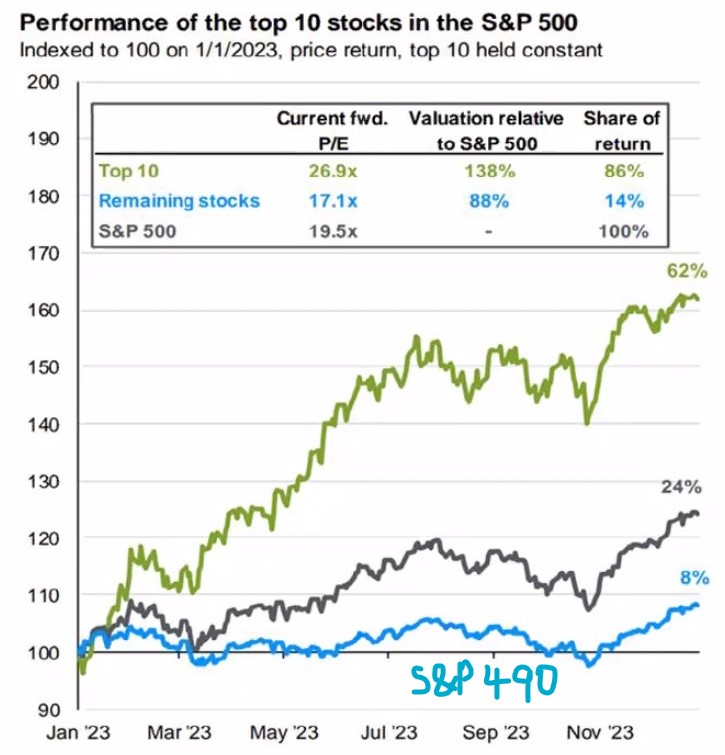
Note 4: S&P Top 10 vs S&P 500 vs S&P 490
S&P490 deemed as still relatively undervalued compared to S&P Top10
Analysis Chart by JP Morgan
The forward P/E multiple for the equal-weighted S&P 490 is still close to its pre-pandemic average at about 16.
Valuation expansion could have further room to run.
Meanwhile, the forward P/E ratio for the S&P Top 10, at about 27, is around pre-pandemic norms, with investors willing to ‘pay more’ for their history of long-term growth and market power.
Top 10 companies tend to grow so fast that their earnings are hard to predict (hence, growth & earings surprises).
Top 10 US companies are also in an artificial intelligence arms race, and they’ll be reluctant to let
This month’s update – we are covering what will central banks do in 2024.
The truth is that we are at central banks’ mercy, especially US central banks – Federal Reserve. Whether they make good decisions or whether they make bad decisions, you & I face economic consequences.
They’re steering the ship, and hopefully, we avoid a Titanic-type of situation.
In the US Fed Dec23 meeting Minutes, they are suggesting that they’re done raising interest rates. it’s coming out loud and clear.
They’re done raising interest rates in this economic cycle. That means that, soon they will begin to cut interest rates.
Is it going to begin in March? Is it going to start in September or somewhere in between? Nobody knows for sure.
But here’s the thing.
The market wants the rates to come down a lot this year because it’s good for equities, for the housing market, but probably not for the banking sector though.
But if rates come down in a fast & furious manner due to cut by the Fed or any central banks, that means you have a problem in the economy.
“Rates coming down fast & furious drive stock markets up, but the reason rates coming down fast is because we’re probably heading into a recession.”
The irony is this – If central banks are cutting rates like that, it may not be good for the financial markets anymore, because we’re heading into a recession. No more soft landing.
Mr Stock Market is like a partner who says –
“hey I want you to spend more time with me”
And you’ll be like – “so, u want more of my time to spend with you/the family or you want more money so we have better quality of life?”
Your partner be like – “I WANT BOTH!”
No no no, realistically you can’t have both. You can only choose one, and it’s still a balancing act most of the time.
More money = means at least 1 party spends more time at work to earn money, and less family time.
More family time = a person/parents unable to commit as much time at work to earn more money.
In the same situation, you can’t have fast rate cuts, that’s GOOD for stock markets, but central banks to cut interest rates that fast, it means the economy is turning bad, like a recession aka, HARD Landing, which is bad for stock markets.
That is why Mr Market itself is ‘confused’
When they start cutting interest rates, it creates an easier monetary environment, undeniably, and that increases demand, which results in higher inflation.
Recall the Fed is saying 3 interest rate cuts this year, but you have to remember that that is just a projection. The Federal Reserve may cut interest rates 4/5/6 times in 2024.
Lower interest rates, besides pushing up financial markets, also likely push up the inflation rate at the same time.
If prices of everything start to shoot up again, then the Fed needs to react accordingly – either slow down the interest rate cuts or they would just pause them altogether.
Central banks as the puppet master don’t want to see prices spike up, and they don’t want to see anything crash either. Like US regional banks crisis in 2023.
They’re trying to minimize volatility, increase predictability, and have a nice soft landing, That’s what they’re aiming for
Ultimately, the Federal Reserve is hoping that 2024 will be a smooth year.
But I want to tell you these two things, these are very important to keep in mind.
First: With an easier monetary policy, that generally tends to boost financial assets.
Whether you’re talking about property prices or whether you’re talking about the financial markets – stocks bonds etc. Apply to anything investable, including bitc0in.
When the Federal Reserve starts to cut interest rates, historically, stocks tend to go down in the short term due to the lag effect but uptrend in long term after that.
Second: I don’t want you to forget about the other key piece of an easier monetary policy, which is quantitative tightening (QT). QT is still ongoing, it is not likely going to stop until the interest rate cut starts.
Here’s the sequence.
Interest rate cuts first, and then they’re going to do quantitative easing (QE).
But once the Fed does both, printing money like crazy again, then it’s going to be a wild time for financial assets.
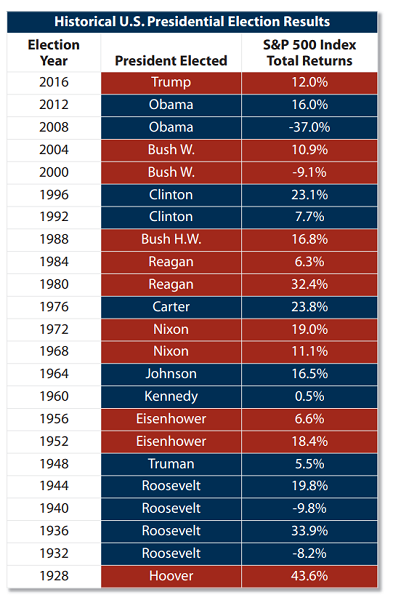
Also, a trivia – this year is US presidential election year. Historically, the stock market goes up in an election year 83% (1928 to 2016) of the time.
That’s NOT a sure thing but at 83%, the odds are still in favor.
There are many ever-moving parts of the world economy and is not so easy to understand.
But I will summarize what to expect 1-2 years from here so you add this input to what you already know….so that you make better informed decisions for your portfolio, even if you are managing it your own.
Part A: Short Term (6-9 months)
Part B: Spill-over Effect on Individuals & Businesses
I want to bring you up to speed on the ‘when will the bond markets recover?’ so you can make better portfolio decisions going forward, taking into account recent events & what happened past 1 year:
Part A: Bond (aka Fixed Income Instruments) = Safe Asset Class
Part B: Recap – What Happened to Bond Markets Part 2 years
Part C: What Type of Bonds you do NOT want to invest into
Uncharted territory [definition]: refer literally to places not yet explored, but it can also be used figuratively to refer to unfamiliar situations.
To understand investment direction, there’s no avoiding looking at what’s happening in the macroeconomy, US being the bellwether.
Recap:Central bank interest rate hike for the past 18 months is supposed to 1) lower inflation rate & 2) make more people jobless (higher unemployment rate)
The situation now – first part can be considered pretty successful, although the Fed insists it has not achieved its target yet
but the second part, not so much success.
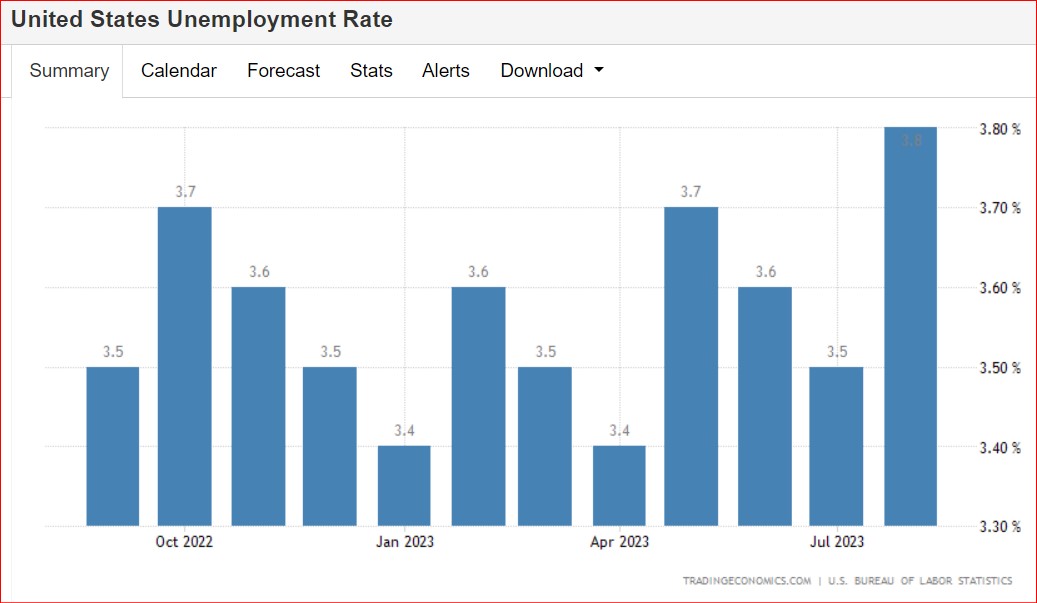
In fact, this is the first time since 1940 where the Fed (US central bank) made significant progress in lowering inflation without an associated increase in the number of people becoming jobless.
In other words, unemployment rate remain stable and low despite the fastest increase in interest rates hike in modern history.
This is the uncharted territory the Fed is facing.
This explains what you see (not in mainstream news)
Your investment portfolio has not moved in either direction for the past 1+ month because the broad stock markets have not budged much, although it was a ‘weak’ Q2 2023 company earning season.
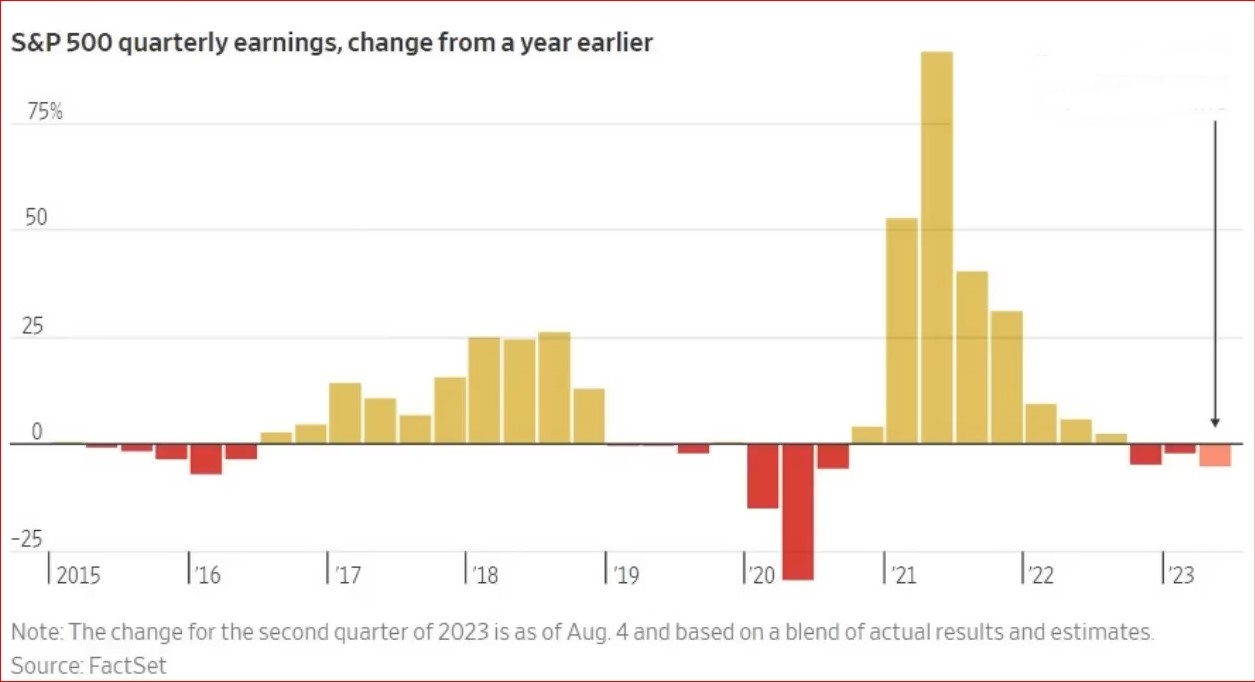
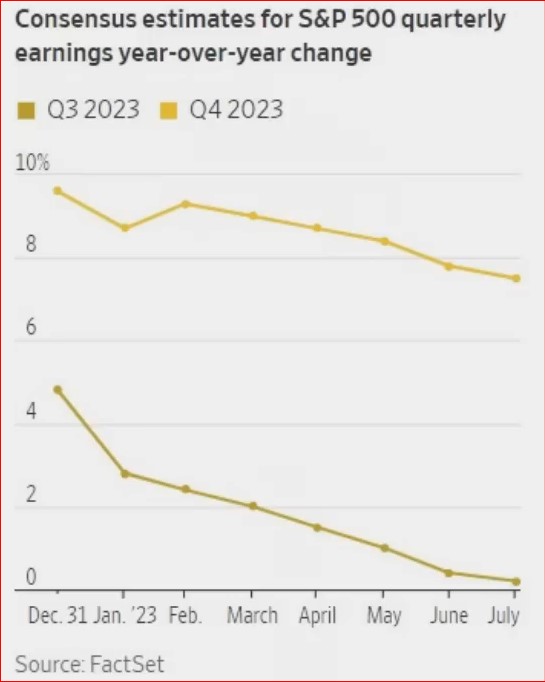
In the recent Q2 2023 earning season, 80% of S&P 500 companies have beaten analysts’ expectations (the highest rate in nearly 2 years)
For uninformed investors, this can be a bullish-All-In signal. But for the more informed investors, this is not worse than last year, but it’s not something to be taken at face value.
Because…. even though corporate profits suffered the worst performance since 2020.
In fact, corporate profits have now fallen for 3 quarters (9 months) consecutively.
In other words, you see companies report that their sales and profits are down in Q1 & Q2 2023, yet they beat analysts’ expectations 😮
Why? Because analysts are setting/revising their expectations lower and lower over time. See below on what to expect in the next 6 months (Q3 & Q4 2023 earnings).
At the end of the day, stock market’s ups & downs do boil down to corporate profits, which is correlated with the real economy.
So currently, we are in an environment where everybody gets a trophy, and everyone is a winner.
It’s like the passing mark for an exam has been lowered from 50 to 0. So as long as you don’t get a 0 mark, you are considered to have passed your exam.
Takeaway from Jackson Hole economic congregation of central bankers, monetary policymakers (24-26 Aug)
There, Fed Chairman, Powell said, and I quote,
“Doing too little could allow inflation to become entrenched. Doing too much could also do unnecessary harm to the economy”
Why it’s a 50-50 situation, translated in layman:
Looking at current progress in lowering the inflation rate, no more rate hike is the right decision
But looking at current progress to make more people jobless, more rate hike is justified.
Stock markets didn’t react strongly one way or the other, because Powell’s politically correct comments were expected
How we want to interpret the situation
Right now, we are close to the peak interest rates in this economic cycle, then interest rates will stay high for some time – historically, 6 to 18 months.
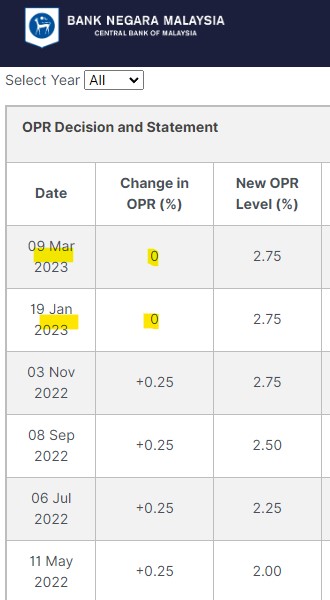
Even in Malaysia, you see a similar trend – when BNM decided, yet again, to keep OPR unchanged today – 7 Sept
(recap – for Nov 2022 – Sept 2023 period : OPR only went from 2.75% to 3.00%)
It is sensible to deploy cash into investment-grade bond funds, both locally and globally for this period, wherever possible. Also gradual but selective re-allocation into equities.
Regionally, we are not adding stocks/bonds exposure in China/HK as the world’s 2nd largest economy is cutting interest rate rather than hiking it.
The situation got worse when Chinese authorities instructed China fund managers to avoid selling Chinese stocks,
while the bond market is jittery with one of the country’s largest property developers Country Garden, dangerously close to default on its interest payments – its financial distress caused by China’s property market coming to a standstill.
Rgds
CF Lieu
p.s.
ironically, China is experiencing what US what to achieve – lower unemployment rate
China youth unemployment rate is so high that government stops publishing them since 3 weeks ago (last reported at 21%)
And there’s this ‘Curse of 35’ in China – when you reach age 35, you are close to being unemployable (tough luck trying to change jobs)
China workforce has to swallow this fact – “You’re too old to work at 35, but too young to retire at 60,”
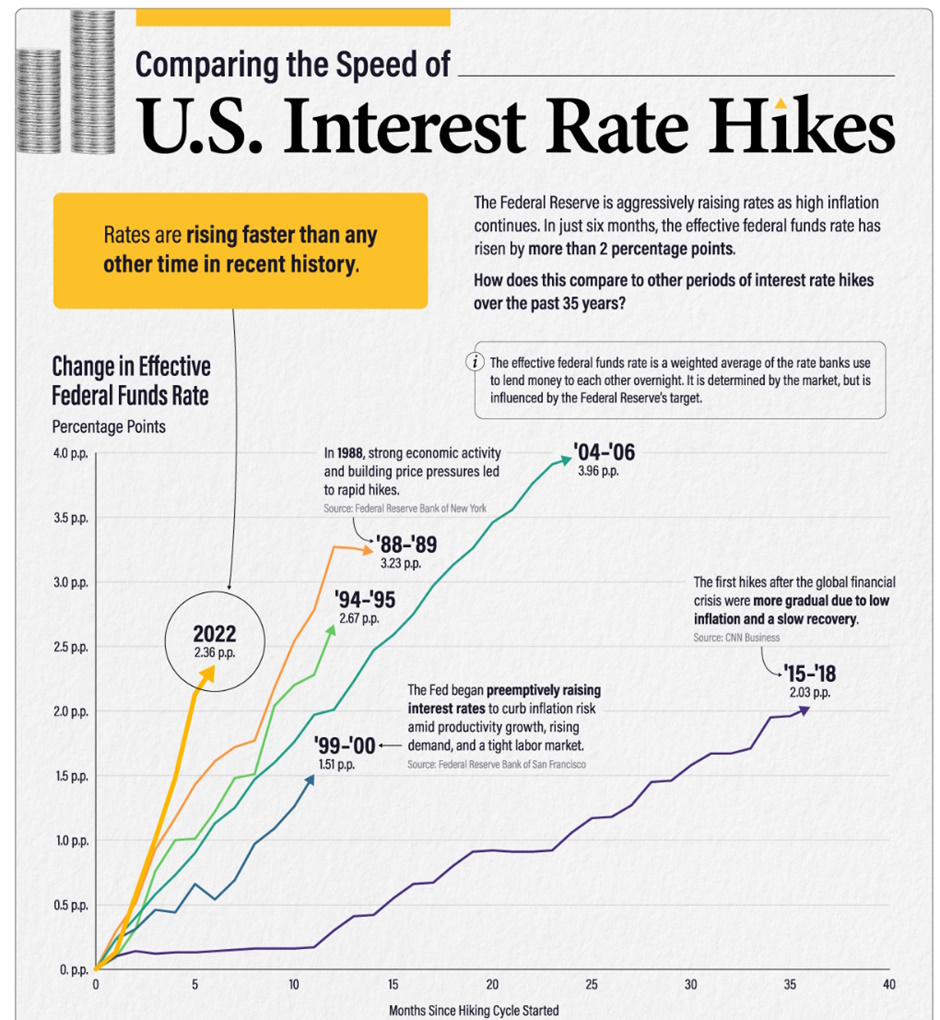
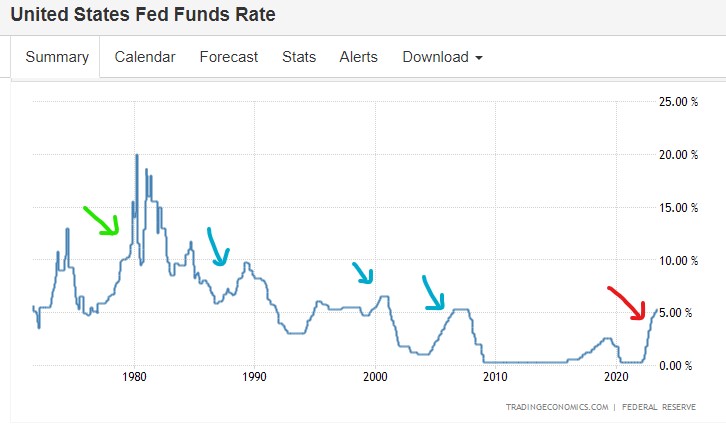
26 July 2023 – Although US central bank (the Fed) never committed to it, the 0.25% hike could be the last or second last, as we near the end of the most aggressive synchronized global monetary policy tightening campaign since ’80.
Visually represented below in a plot of Change (y axis) vs Time (x axis)
Steeper line = faster change within short period of time
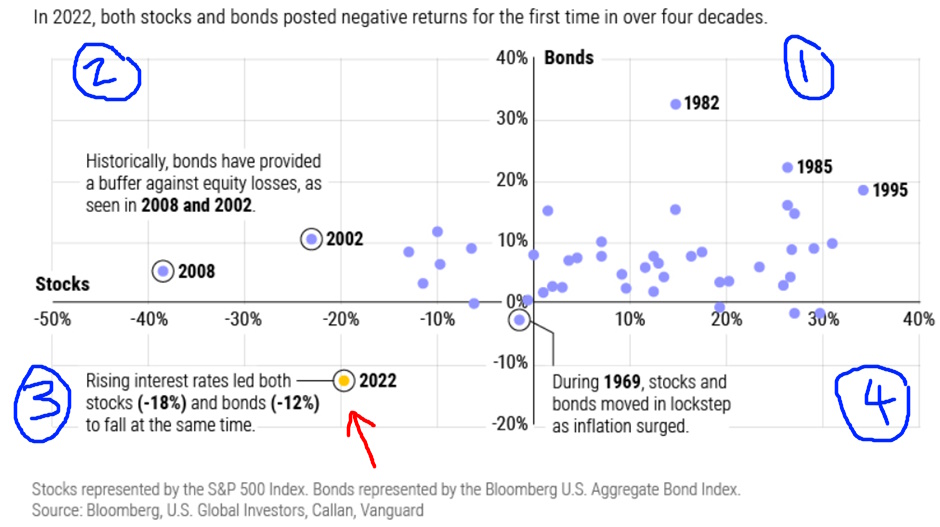
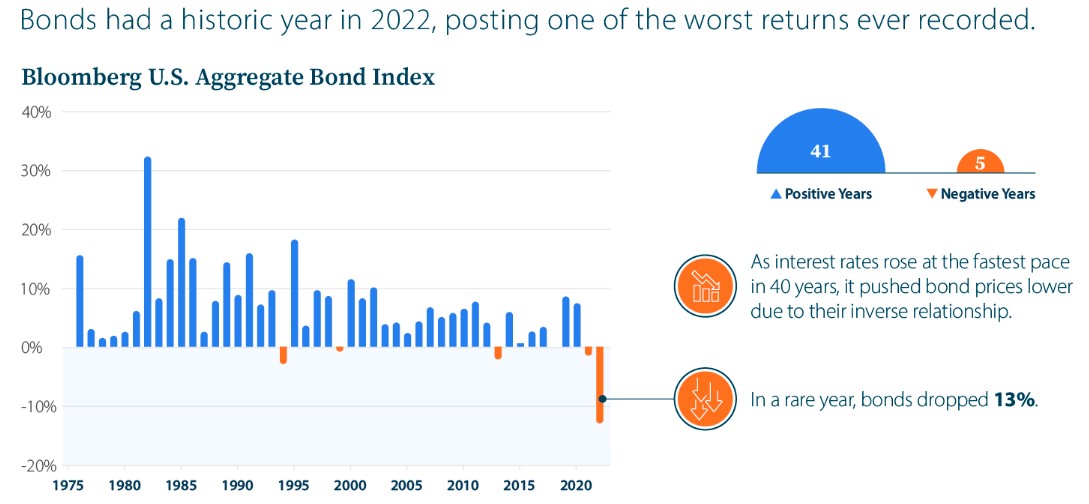
And to visually recap what happened to investment portfolios for the period1969 – 2022, in a Trigonometry quadrants chart:
Quadrant 1: both stocks & bonds get positive returns (most of the years)
Quadrant 2: recession times – stocks down, bond still positive (as expected)
Quadrant 4: stocks up, bonds down (rarely happened for the past 40 years)
Quadrant 3: both stocks & bonds down at double digits magnitude (super rare, first time for the past 40 years)
To correlate the above, the Year ‘2022’ in the 1st chart lead to the ‘orange dot’ in the 2nd chart.
As you know by now – purpose = forcefully slow the economy enough to reduce inflation to 2% target, without triggering significant rise in unemployment or causing a recession (the proverbial soft landing).
YTD, the US economy is proving resilient even as the Fed has made progress in its inflation fight.
But we don’t think inflation is going to slide below 3% on a sustained basis
Why: Demand for workers continues to outstrip supply – that keeps wages elevated, pressuring companies to raise prices to cover their added labor costs (aka ‘tight labor market’).
This ‘service sector inflation’ (hotels, restaurants etc) makes up part of the inflation figure reported.
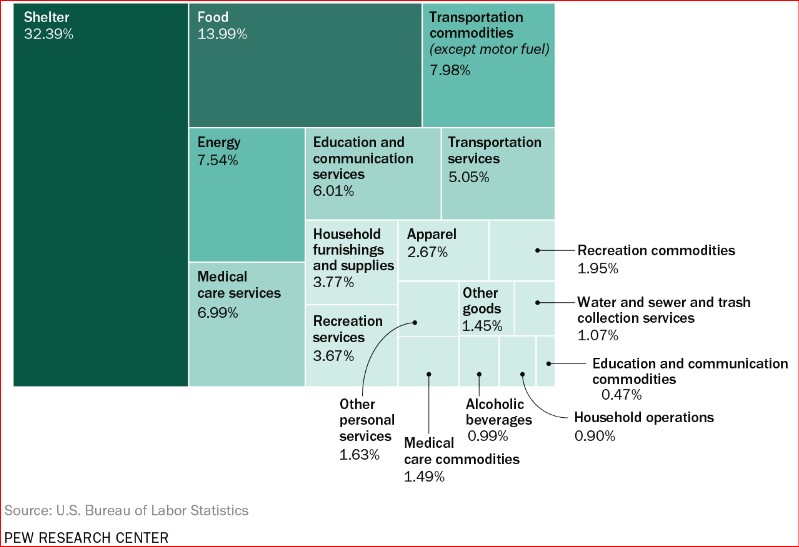
Visually explained: What goes inside the inflation figure reported
Although monthly inflation figures can still trend down in 2H 2023 due to cheaper imports from China, a resolved global supply chain bottleneck & slower rental hike….
….such temporary ‘relief’ is likely to be short-lived due to persistently tight labor market and companies’ increased willingness to jack up prices.
If central banks press ahead with continued rate hike, that can risk breaking something further in the financial markets or the economy (example – the collapse of Credit Suisse & several US regional banks earlier this year)
How all these are interrelated: The danger for 2H 2023 is that a tight labor market triggers central banks to keep hiking interest rates beyond what we expected so far, jeopardizing stock analysts’ forecasts & companies’ own estimates, and hence, reversing market recovery so far this year.
This is why we think it makes more sense for investment portfolios to be still positioned moderately defensive (gradual reallocation from cash/bond back into equity)…
…because while ‘soft landing’ seems to be within reach, adamantly-inflation-focused central banks can still push the limit too far to the detriment the stock markets
…like Tom Cruise in 2022 movie – Top Gun: Maverick
The scene: He could have stopped at Mach 10 (3.43 km/s speed) but the daredevil in him pushed it to Mach 10.5 before he kaboom the plane.
2 Aug 2023: Credit rating agency, Fitch, out of nowhere, downgraded US Government credit rating from AAA to AA+, only 2nd time in history it ever happened.
What it means (technical): With US gov debt at 32 tril + earning 4 tril/year but spending 4-5 tril/year, Fitch is not 100 % convinced that going forward, US gov bond investors are going to be paid back in a timely manner without any problems. Side effects include: weaken the Dollar, indirectly, strengthen Ringgit
What it means (layman): Imagine a fresh grad earning 50k/year but carrying 400k student loan. Your credit score (CCRIS/CTOS) gets downgraded and if you were to get say, a 300k mortgage, banks will quote you higher interest because anyone with 50k yearly income with 400k personal loan is deemed ‘high risk’ at not being able to service monthly installment payments.
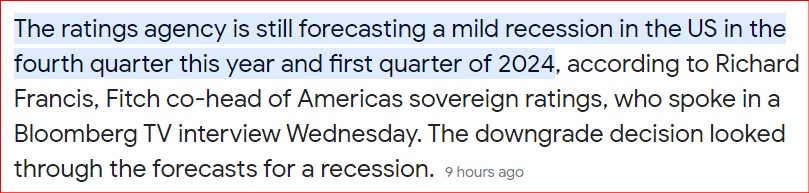
Furthermore, Fitch is at odds with the Fed, disagrees that US economy will experience ‘soft landing’ in 2H2023. Instead, they predict…(see below)
Which is why – with this new variable thrown into the mix, it reinforces our belief mentioned above: “portfolios to be still positioned moderately defensive (gradual reallocation from cash/bond back into equity)…”
The silver lining from this – Fed may seriously consider a full stop in hiking rates from now, shortening the duration where interest rate is kept high for too long and would cut interest raters sooner than later.
When that happens, guess what historically happens to broad equity markets?
The economy is now at a turning point and something very important happened this month.
Inflation cooled to 3 % in June over the year. Rising at the slowest annual rate since March of 2021 Year over year.
Core CPI rise just 3 %. So it looks like US Fed has finally done the impossible. which, remember, for context, last year in June, we were at 9 %.
But here’s the bad news. Remember when last month the Fed didn’t increase interest rates? And then that got everyone really excited, like, is this a skip or is it a pause?
Because if it’s a pause, history shows the stock market goes up and on average it takes 10 months before the Fed starts to lower their interest rates.
Well, now the market is predicting the answer and it’s not a pause. It’s a skip. In other words, the worst option of the two, with options, not a must to continue hiking rate..
Skip means like an open relationship – you not breaking up with your long-term partner yet you are free to date other people for the moment
I want to help break this down and explain how this will affect your investment.
So the Fed like keep interest rate high for longer to push inflation further down but they can’t keep them there for too long because that breaks things. Also becoz US has a budget deficit and it owe a lot of money. When the country owes a lot of money, it like to borrow cheaper money to pay off more expensive debts.
But it can’t lower interest rates to help itself because that would increase inflation, which is bad because then it’d have to raise the rates for longer than it can stand, which is bad because it would then have a budget deficit.
You get the idea? It’s a Catch 22. Read that again
Remember all inflation is just a measure of how fast prices are going up. Right now, prices are still going up, but thankfully slower than they used to at just 3 %.
But what you’re seeing in the news is not exactly the full picture because there’s 2 ways to measure how fast prices are going up. And the first way is something called the headline inflation number, also known as the CPI or the consumer price index, which measures the entire US economy and how we as consumers are spending money.
That is at 3 %, which is good.
But there’s a second way to measure it. And that’s something called the core inflation index, which removes categories, food and gas.
Because if you think about it, who actually needs food and gas? You can just eat motivation for free and put it inside your car. Anyway –
Now, core inflation is the preferred way that economists like to measure how fast prices are going up to figure out what’s called monetary policy,
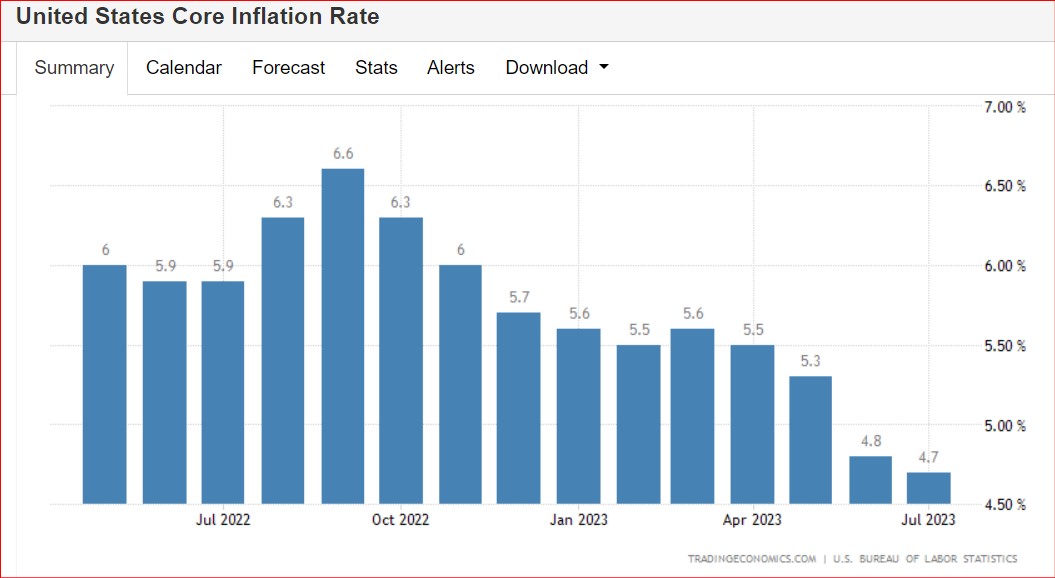
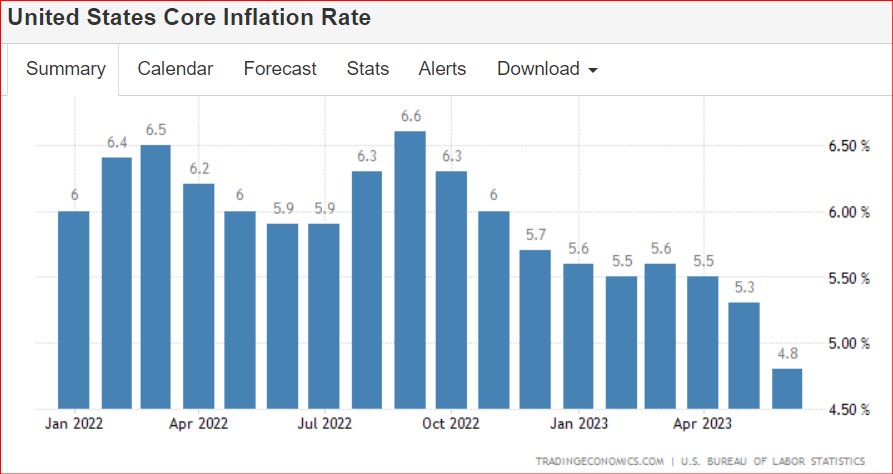
And the core inflation index reads 4.8 %, which is lower than where it was before, above 5 %, but still not where it should be, which is 2 %.
So the Federal Reserve will only start to lower interest rates when that core inflation index number reaches a lot closer to their 2 % target rate.
Yeah. Headline inflation is coming down now. It’s lower than the core. But for core inflation, we don’t expect to get to 2 % this year but we are getting there.
So you might remember that last month, the Fed did not increase interest rates. And that was a huge deal for everyone because it was the first time in 15 months in a row that they didn’t raise the rate.
All of the stocks you see listed on exchanges have already all of the data and all its rumors priced into the share price. That’s just how the market works Here’s what this means for the stock market and investors., the stock market went way up, especially led by tech stocks like Apple, Amazon, Alphabet, Meta, Microsoft, NVIDIA, and Tesla.
Tech stocks are usually one of the first stocks to benefit from disinflation. And these seven stocks alone have a market cap that’s roughly triple the size of Germany’s entire GDP.
So the good news is that the overall economy looks like it’s on track to a good recovery and that we will finally get that soft landing that people said would be impossible. But before we get too excited, I think we should still be very cautious because we could still end up in a recession and we might not get that soft landing because of jobs.
The thing is, US economy is on an unsustainable path because we’re creating far more jobs than there are people willing to work them (1.6 to 1 ratio).
OK, on the surface, that doesn’t sound like such a bad thing.
But too much of a good thing is bad. And the bad things that happen in US economy affect the rest of the world.
That’s what they mean by a Tight Labor Market, where people have the luxury of leaving job interviews and quitting and demanding higher pay, which leads to the wage spiral
And this is where corporations are forced to pay employees higher wages, which is good. But where do they get the money from? Some corporations will have to shrink their profit margins, but other companies won’t be able to and they’ll be forced to raise their prices.
And when prices go up, inflation is higher for a lot longer and that means interest rates will have to stay high for longer too. this battle of inflation could be misdirection for arguably the bigger problem, which is the budget deficit and the national debt, which is at the highest point that it’s ever been.
US Federal Reserve kept interest rates unchanged for the first time since March 2022 after it embarked on its fastest monetary policy tightening in 40 years.
red: now & blue (right to left): post-2008 financial crisis, post-2000 dot com bubble, post 1987 black Monday crash
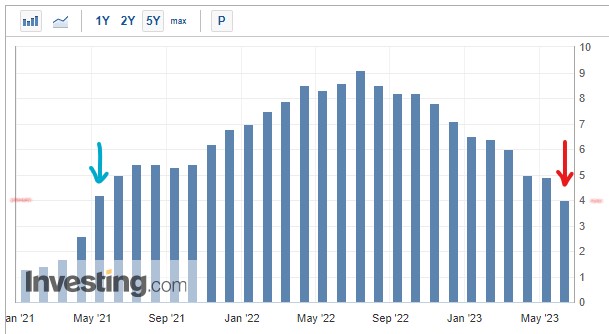
This decision stems from US May CPI inflation report released the day prior, showing headline inflation was at 4.0 % (red arrow), down from 4.9% last month (actually quite significant progress).
The last time it was at this level was 2 years ago (May 2021 – blue arrow)
Core inflation (excluding energy & food prices) came in at 5.3 %, slightly down from 5.5% the previous month (Fed prefers to look at this one for its decision)
Therefore, we have arrived at 1st stage of Fed Pivot – the Pause, per what I shared previously,
however, it’s NOT a Full Stop but instead it’s a Hop (new term) – here’s why:
Analogy – it’s like a man proposes to his partner after dating for 10 years, but then said he will only do the wedding ceremony 3 years later because he has to relocate offshore for work 😫 (potong sim right?)
1) With this piece of the puzzle in, here are my views –
Aside from the day-to-day price fluctuations and assuming no severe Black Swan events (like China kickstarts an open war with Taiwan or C0vid 20 outbreak), we could be on solid footing for the broad stock markets to NOT fall further than what we experienced in 2022.
I want to refrain from saying, ‘we could be on solid footing for broad stock markets recovery’ because the reality is this:
S&P500 and Nasdaq (bellwether for Europe and Asia markets) being up 20%+ so far is driven by a few huge mega-cap counters related to Generative AI like Chat GPT –
Apple (+46%)
Microsoft (+40%)
Alphabet (+39%)
Meta (+118%)
Amazon (+48%)
Tesla (+140%)
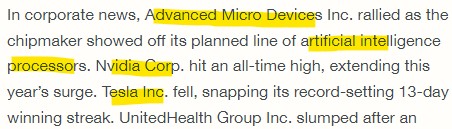
now, even AMD is joining in:
“Why these?” you may wonder. Because TINA (There is No Alternative) to invest in, considering even High Grade bonds valuations are down double digit last year, the worst in 40 years
Excluding these few major counters from the benchmark though, US market had been FLAT so far in 2023.
Going forward, businesses expect weaker earnings for the rest of the year, with a (possibly mild) recession in the tow.
Weak earnings = stock markets would stay flat.
2) Consider also these:
‘Excess inflation’ due to good shortage caused by pandemic, worsened by Ukraine-Russia war is largely resolved. What’s prevalent now is ‘sellers’ inflation’ – price hike by dominant companies who have pricing power
the Lag Effect as a result of US Fed rapid rate hike for the past 1 year is now being felt
tech sector fell first, and fell the hardest last year. Year-to-date (YTD), it is recovering the fastest comparatively to other sectors this year, although not yet breakeven with the % down last year
Apart from that, if you recall, we also did make a conscious decision NOT to react to the US regional banking collapse crisis back in March (3 months ago),
…and I opined that the US debt ceiling would eventually resolve on its own (which it did)
3) What’s Next
Keep this in mind – any moves to allocate back into the equity market NOW is setting up the stage for the eventual market rebound in full force when the Fed and most of global central bankers cut interest rate again.
Do NOT expect that to happen though in 2H 2023.
Realistically – earliest, next year.
After all, European central bank is still in the rate hike cycle, so is Australia and New Zealand (just fell in technical recesssion)
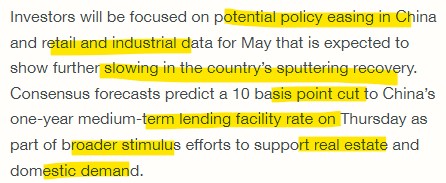
China, on the other hand, is the odd one out, here’s why
If the Federal Reserve decides to pause on June 14, they better be sure that that is the right decision
because when they take a pause, historically, they have NEVER U-turned revert to raising interest rates again in the same economic cycle.
If they did, then that would be the first in 116 years.
In other words, if they decide to pause and then 2 or 3 months later, if they say,
Oh, we were wrong to pause, we need to raise interest rates again,
…then that would be a disaster, and it would make the market will freak out.
It could cause a resurgence in inflation, damaging their track record and triggering a crisis of confidence (the 1st happened in 2021 while the Fed U-turn on their decision to not hike interest rate in 2022).
You have to remember, this whole fiscal and monetary system, this whole thing is based on faith and confidence in US gov, with its military strength.
That’s why the pause decision is so crucial, the meeting that’s coming up in June.
Conversely, if they raise interest rates, it will crash the markets because it will catch 90 % of investors off guard. It’ll be a nasty surprise.
We believe the stakes are too high for the Fed to NOT pause interest rate hike in June 2023,
The talks about US debt ceiling also may crash the market but we believe 2 sides of the divide will come to an agreement to raise debt ceiling because US is ‘too big’ and ‘can’t lose face’ if they default in case the ceiling is not raised.
A sovereign default by the world’s biggest economy should probably be unthinkable (FYI, the debt ceiling was last increased in December 2021, by $2.5 trillion to $31.4 trillion)
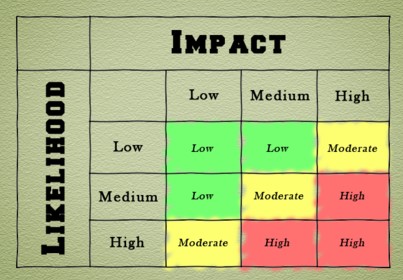
Risk metric wise, these 2 major events (the ‘Pause’ and Debt ceiling) will be what I consider High Impact, Low Likelihood of happening, so we are not making any changes to existing portfolio allocation.
Let me know if you disagree.
The other recent ‘hint’ was on 20th May.
Fed Reserve Chairman Jerome Powell spoke at the “Perspectives on Monetary Policy” panel. It appeared that he was more on the side of pausing rate hikes. Powell referenced the stress in the banking sector as the reason the Fed can take its foot off the pedal and potentially pause.
However, there have been other officials, who have shown a preference for a rate hike at the next meeting because they haven’t seen the sustainable data that shows inflation is cooling. In his prepared remarks, Powell countered that argument by saying,
“While the financial stability tools helped to calm conditions in the banking sector, developments there on the other hand are contributing to tighter credit conditions and are likely to weigh on economic growth, hiring and inflation…As a result our policy rate may not need to rise as much as it would have otherwise to achieve our goals. Of course, the extent of that is highly uncertain.”
It was recently revealed that US Federal Reserve wanted to hike interest rates by 0.5% in Mar 2023; they chickened out and settled at 0.25% because US regional banks were collapsing.
If it were 0.5%, the market’s gradual recovery YTD would have been worse.
This confirms what I told you in my update last month, and the Fed is bothered by the banking crisis, affecting their decision-making process in fighting inflation.
They are now stuck between a rock & a hard place because things are starting to break.
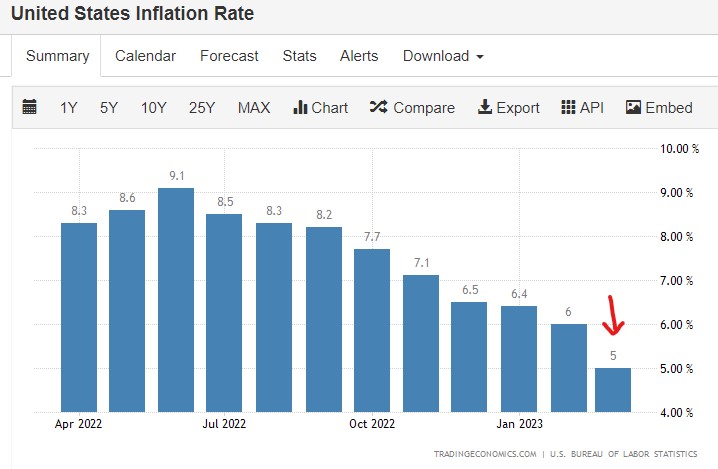
Headline CPI fell from 6.0 % in February to 5.0 % in March. That sounds great. It looks great. But when you look under the hood, it wasn’t so great.
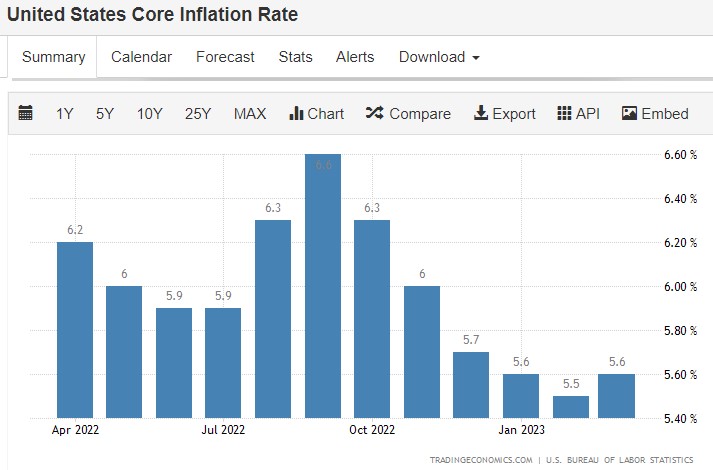
Because PCE (Core) inflation went up YoY by 5.6 % from February’s 5.5 %
Fed prefers to use PCE in its decision-making process, and it remains stubbornly high.
That’s not a good situation because these are all data up to Mar 23.
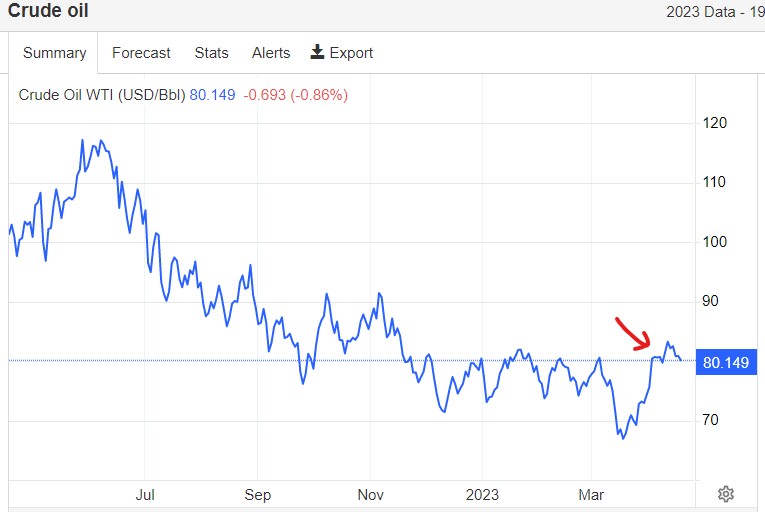
Earlier this month (Apr), OPEC+ (Organization of Petroleum Exporting Countries & its partners) cut oil production.
….and this is causing oil prices on the rise again, in other words, complicating the situation
….that means the headline CPI could rebound in months from now on.
Highly unhelpful to central banks.
———-
Note: Explaining the Difference in CPI (headline) vs. PCE (core) inflation
These is the CPI components, while PCE strips out the more volatile food and energy components.
Over the short term, PCE gives a more accurate reading of where inflation is headed.
Still, people buy food, fill up fuel tanks, and use electricity, so CPI more accurately represents people’s actual expenses.
———-
The tech sector (NASDAQ) recovered the most – in the mid to high teens, so far in 2023, up from its worst annual drop in 2022 since the 2008 financial crisis.
But we are not heavy into it yet. Instead, whenever possible, we are increasing stocks exposure to only this one historically defensive, the healthcare sector
….as the Lag Effect of economic slowdown due to elevated interest rates could sour the market sentiment & outlook as companies announced their Q2 & Q3 earnings
Slowing rate hikes in the US boost demand for Malaysian bonds, especially government issues (MGS & GII) which is why we are also gradually reallocating exposure to this, whenever applicable.
This outlook is also supported by the fact that BNM has stopped from OPR hike twice this year.
…and improved economic growth outlook, given oil & commodity exposure.
I’ll update you again next month
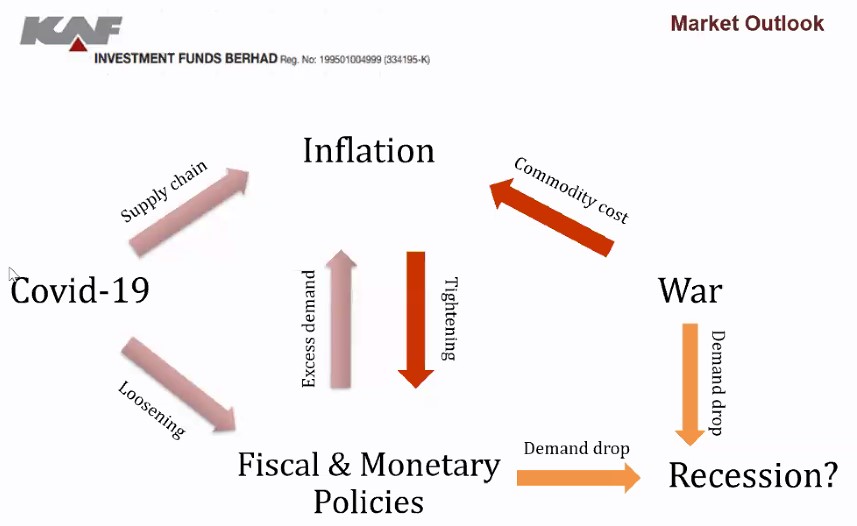
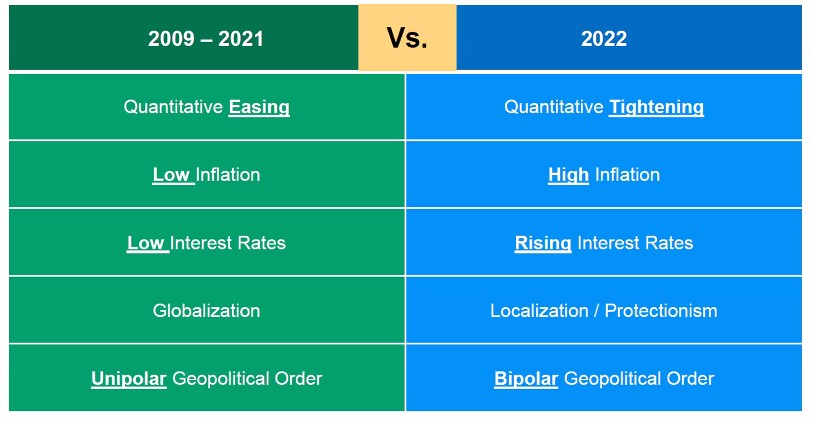
By the way, here’s a diagram explaining what has been happening for the past 3 years
And this is for you to visualize the different economic eras we are experiencing.
Last month, I gave you heads up on 2 things that will ‘spoil’ the predicted sequence of events leading to the Fed Pivot:
From then until now, the whole situation has changed dramatically. In this Mar update, we’re going to be using the most up to date information and current expectations
Recap that the expectations was – Fed would raise interest rates for the very last time in this economic cycle on 22 March, stopping at 5.0 %, but not anymore. That is NO longer the case, here’s why.
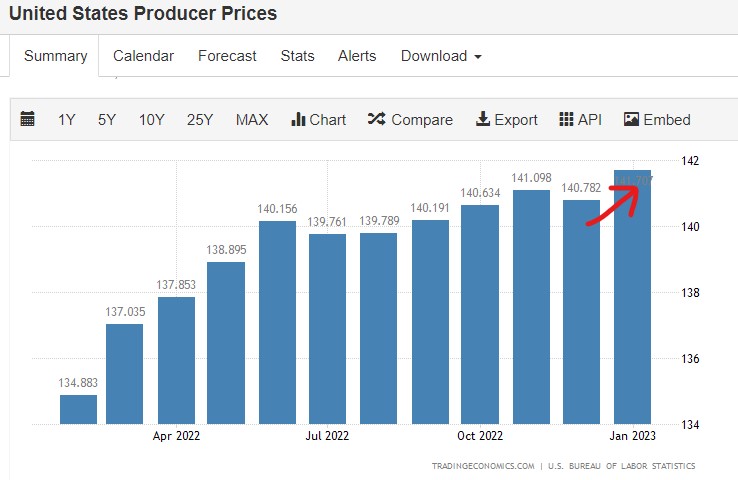
The PPI = Producer Price Index.
Measures change in prices for domestic producers, a leading indicator for CPI inflation. When producers have higher input costs, that increases production cost and it gets passed on to consumers.
Today’s producer price increases will translate into tomorrow’s consumer facing price hikes. PPI report released in Feb shows that high inflation is persisting, in fact, it’s UP.
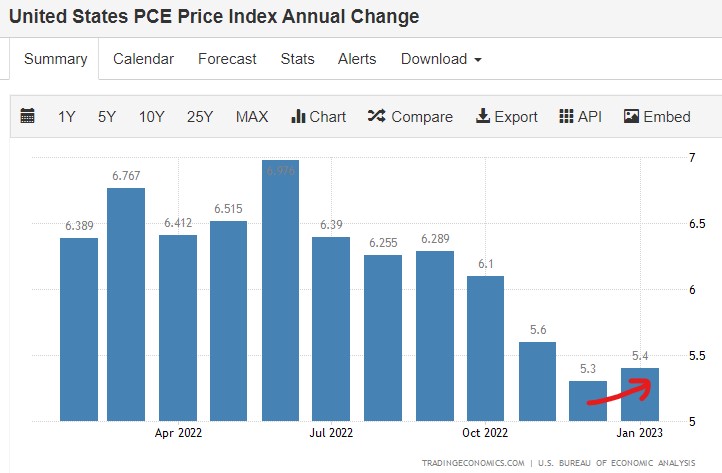
PCE = Personal Consumption Expenditures Price Index.
Sources price information from businesses. CPI & PCE are both inflation metrics, but they use different methodologies. they have different formulas, different weights, and they track different types of expenditures.
PCE report in Feb came in red hot, way hotter than expected – it shows that the rate of inflation is increasing.
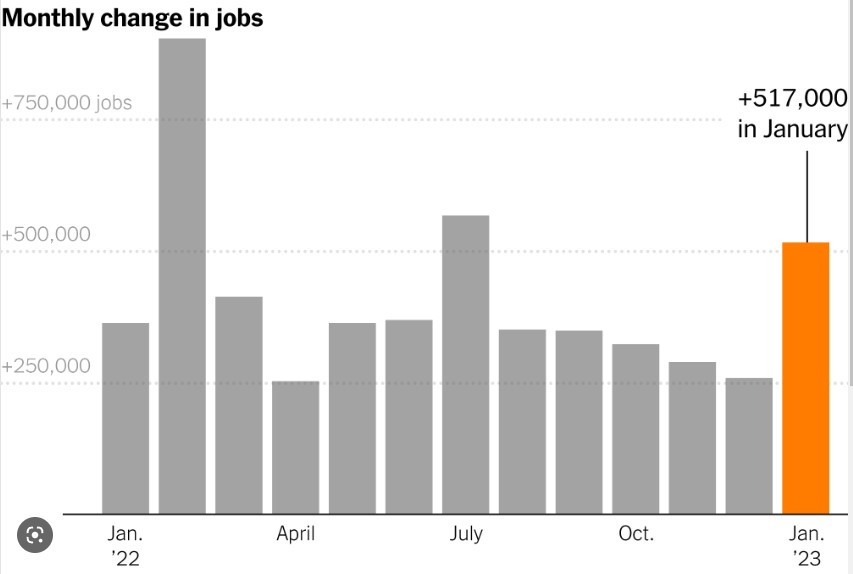
January jobs report = 517k jobs added. Jobless claims = 194k.
If you get jobless claims around 400k that is a sign that the labor market is slowing down but US is nowhere close to that.
Obviously, that’s good for the labor market, but that’s bad for bringing down inflation
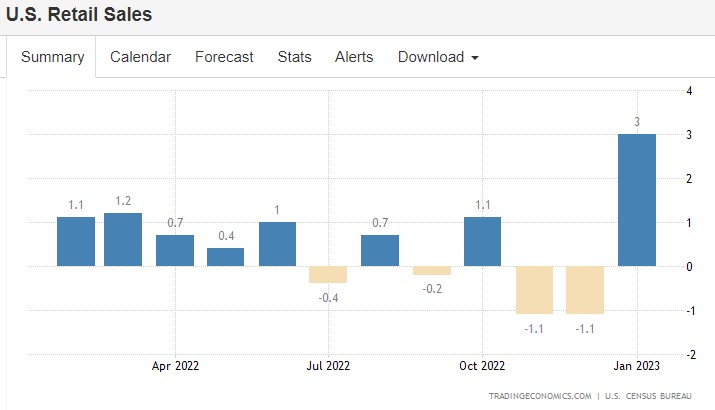
January Retail sales reports = largest monthly rebound in two years. Retail sales grew in almost every categories – cars, furniture, appliances, restaurants, travel, leisure, electronics – all up across the board.
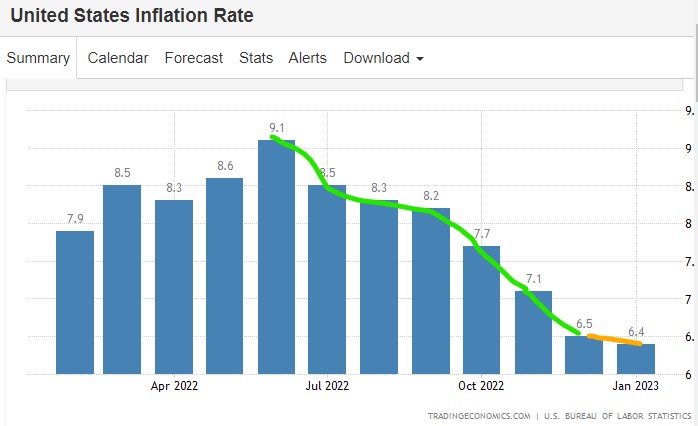
Again, this is great for the economy, but this is not good for inflation. You already have CPI inflation having difficulty coming down 6.5 % to 6.4 %.- like hitting a brick wall.
S&P500 Earnings
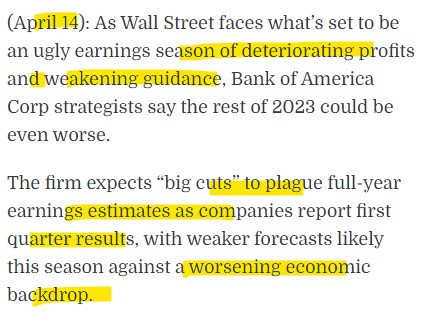
Companies in the S&P 500 have reported their Q4 2022 earnings – mostly are down.
When corporate profits go down, it’s generally NOT a catalyst for stocks to shoot up. This will be the first quarter where corporate profits have fallen year over year since Q3 of 2020
Now, analysts are expecting earnings to further decline in Q1 and Q2 of 2023. They’re expecting -5.4 % in Q1 and -3.4 % in Q2.
Then they’re expecting earnings to start shooting up in Q3 and Q4 2023
What all these mean
Analysts basically saying that the economy right now in Q1, is the bottom, things will get better in April, and the economy will start to boom thereafter.
They’re expecting inflation drops rapidly to near 3% by the end of this year.
Since inflation will be coming down so rapidly, the Federal Reserve will loosen up their monetary policy.
The economy picks back up, corporate profits & consumer demand start sky rocketing, followed by strong GDP growth
The only way I see this happening in a high inflationary environment are:
massive productivity gains,
revolutionary technological advancements* (see ps below), or
much higher labor participation rates.
….in the next 6 months.
But we’re not seeing any of that.
Therefore, I believe that the Federal Reserve is going to have to raise interest rates higher, and interest rates are going to stay higher for much longer.
How high, and for how long?
The new expectation is that the Federal Reserve will continue raising interest rates until June 2023 and interest rates will peak at 5.5 %.
All of these analysts’ projections will need to be revised downward. (when that happens, stock markets not going to like that)
Monetary policy will control the economy and the stock markets.
That’s how this all ties together. One gives clues to the other.
Next 2-3 weeks
We have the February jobs report and Feb inflation report being released next 2 weeks before Fed meeting 22/3
This February jobs report that we’re waiting on, this one is going to be so important because in this battle against inflation, it’s services inflation that’s the current problem.
We’re seeing with goods inflation slowed down, but we’re NOT seeing that with services inflation
Whatever the February CPI Inflation Report says, regardless, it is most likely that the Federal Reserve will still raise interest rates by 0.25 %.
Could the Fed possibly raise interest rates by 0.5 % though on March 22nd?
I don’t see that happening.
If they did 0.5 %, that would absolutely crush the stock market.
Honestly, I believe that if they went with 0.5 %, that would trigger the circuit breakers. That’s when they halted trading to stop the panic selling.
Jerome Powell won’t want to answer to US Congress for that.
Again, what’s Important on 22/3?
Answer: Primarily, what Federal Reserve will say about how high interest rates will need to go and how long interest rates will need to remain at those restrictive levels for
Secondarily, the tone of Jerome Powell’s delivery – how Hawkish (Going Hard) or how Dovish (Going Soft) he sounds.
I know it’s ridiculous, but that’s just the way it is.
His tone, his demeanor, his body language, his confidence level will be analyzed & interpreted.
Therefore, I’m letting you know that the next 2-3 weeks, markets going to be very volatile.
But at least now you’re prepared and you’ll understand why the market reacts the way it does
Rgds
CF Lieu
p.s.
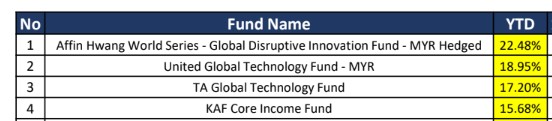
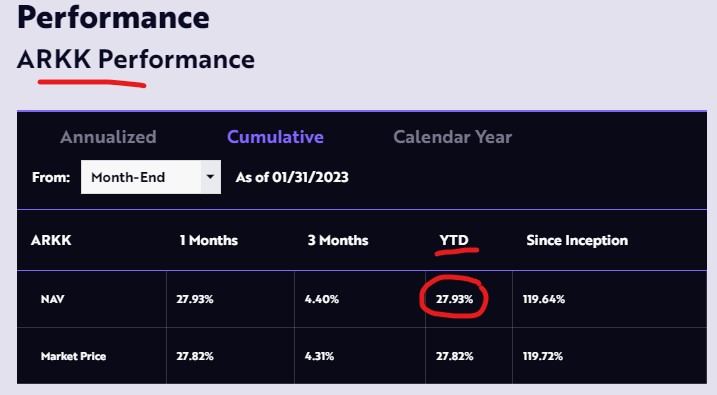
the companies/stocks in Affin Hwang World Series – Global Disruptive Innovation Fund fits the criteria of ‘revolutionary technological advancements’ – though they are affected massively by tech sector plunge in 2022, it has since rebounded 28% year-to-date (Jan – Mar 2023)